10 Reasons to Choose British wool
When it comes to natural fibres, British wool stands out for its heritage, sustainability, and performance. Whether you’re a consumer looking for long-lasting products or a business seeking sustainable sourcing, British wool offers numerous benefits that make it a superior choice.
Here are ten reasons why choosing British wool is a smart, eco-friendly, and ethical decision.
1. Sustainable & Renewable
British wool is one of the most sustainable fibres in the world. As a natural resource, wool is renewable because sheep grow their fleece year after year. Unlike synthetic fibres made from fossil fuels, wool is environmentally friendly and reduces reliance on unsustainable materials. By choosing British wool, you are making a conscious choice to support renewable resources.
2. Biodegradable
Unlike synthetic materials that contribute to plastic pollution, British wool is 100% biodegradable. When wool products reach the end of their life, they naturally break down, releasing essential nutrients like nitrogen into the soil. This reduces the environmental impact and ensures a closed-loop life cycle.
3. Supports British Farmers
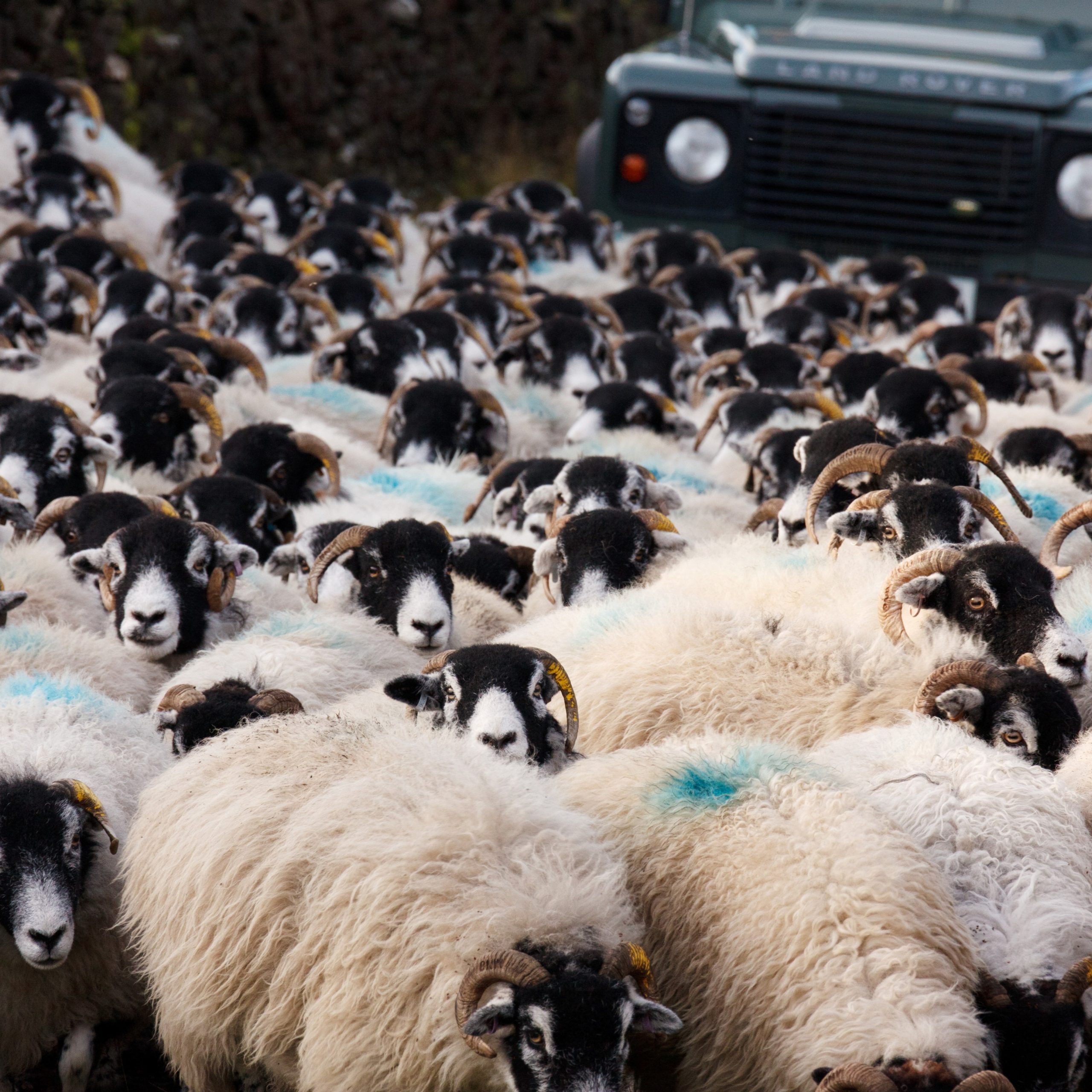
Every time you choose British wool, you support more than 35,000 sheep farmers across the UK. These farmers work hard to produce high-quality wool, and your purchase helps to sustain rural communities and keep traditional farming practices alive. British wool is not just a product; it’s a livelihood for many.
4. Climate-Adaptive
British wool is naturally climate-adaptive, making it perfect for all seasons. Wool’s insulating properties help to keep you warm in winter and cool in summer. This temperature regulation ability makes wool a great material for a wide range of products, from clothing to home insulation.
5. Durable & Resilient
Wool is renowned for its strength and durability. British wool fibres are crimped, which gives them resilience and elasticity. Products made from British wool maintain their shape and quality over time, providing long-lasting value. Whether it’s a wool carpet, knitwear, or blanket, British wool can withstand heavy use.
6. Natural Flame Resistance
One of wool’s lesser-known qualities is its natural flame resistance. Wool fibres contain high levels of moisture and are slow to catch fire, making them safer for use in the home. Wool’s self-extinguishing properties make it a preferred material for bedding, upholstery, and carpets in both residential and commercial settings.
7. Hypoallergenic
British wool is naturally hypoallergenic, making it an excellent choice for people with allergies. Wool’s natural fibres resist dust mites, mold, and mildew, which are common allergens. As a result, wool bedding and carpets can contribute to a healthier indoor environment.
8. Moisture Management
Wool fibres can absorb up to 30% of their weight in moisture without feeling damp. This property makes wool ideal for bedding, as it helps regulate humidity and keeps you comfortable throughout the night. It also prevents the buildup of bacteria and odors, ensuring fresher, longer-lasting products.
9. Energy Efficient
Choosing wool over synthetic materials contributes to energy efficiency. Wool products, such as carpets and insulation, help to regulate indoor temperature, reducing the need for artificial heating and cooling. This lowers energy consumption and minimises carbon footprints in homes and buildings.
10. British Heritage
British wool has a rich history that spans centuries. The UK is home to over 60 different breeds of sheep, each producing a unique type of wool with specific qualities. This diversity ensures a wide range of wool products, from soft, fine wool for garments to coarse, sturdy wool for carpets. By choosing British wool, you’re supporting a heritage industry with deep roots in British culture and tradition.
British wool is more than just a material; it’s a natural, sustainable, and high-performance fibre that offers a wide range of benefits. From supporting local farmers to reducing environmental impact, choosing British wool is a decision that benefits both consumers and the planet.
Next time you’re shopping for textiles, look for the shepherd’s crook symbol and make the choice that supports sustainability, durability, and tradition.
Visit our Fact Sheet and Resources to learn in-depth the benefits of British wool – Wool Resources and Facts