Celebrating Talent at the Bradford Textiles Society Competition
The Bradford Textiles Society Competition has long been a stage for showcasing the talents of the next generation of textile designers. This year, two standout winners, Grace Lawrence and Jemima Godfrey, caught the eye with their innovative approaches to design. Both of whom worked prominently with British wool, a material they each highlighted for its versatility and sustainability.
Here’s a closer look at their inspiring projects and what drives them as textile designers.
Grace Lawrence: Inspired by Nature
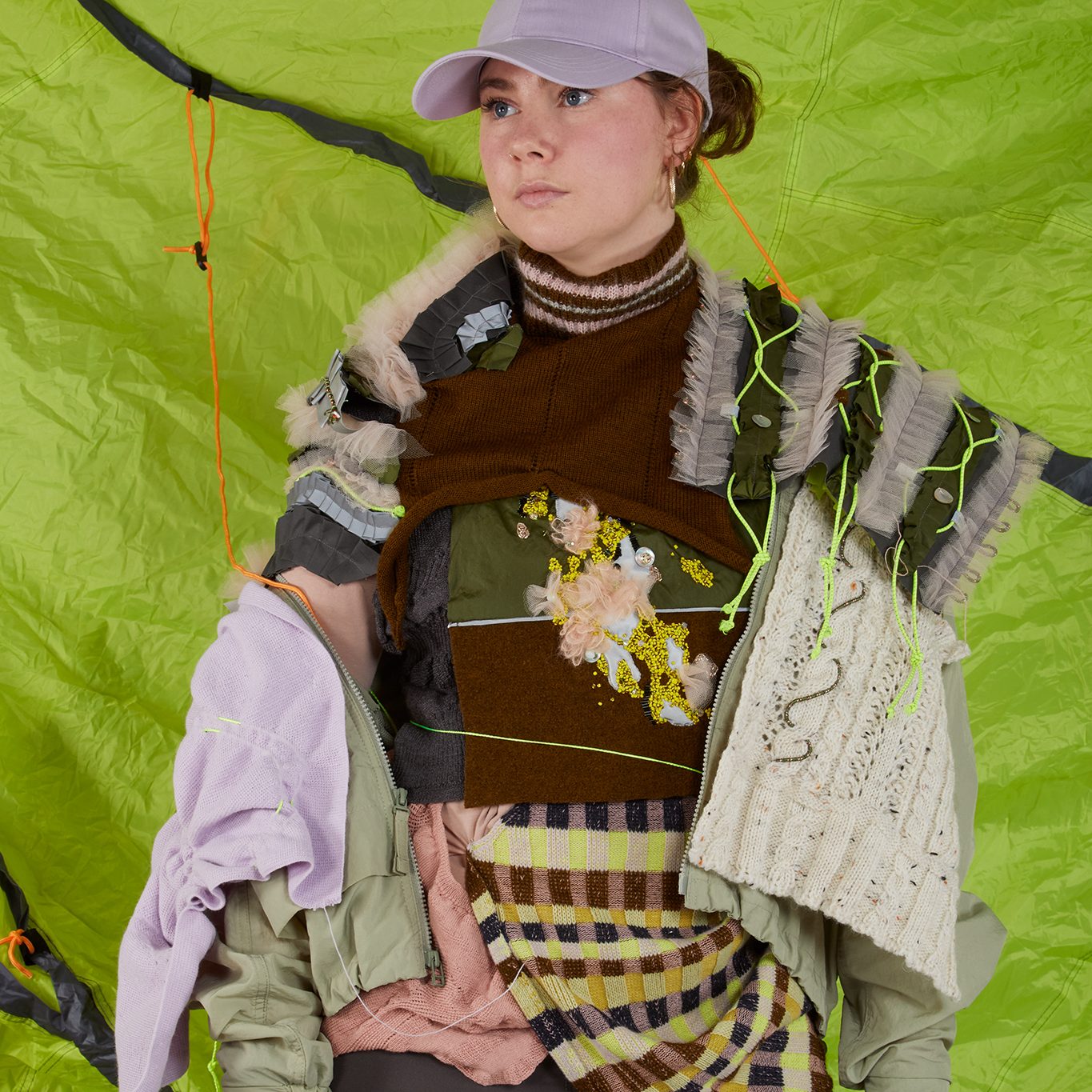
Grace Lawrence, a knitted textile designer from Norwich University of the Arts, won the British Wool & Glencroft Award for her exceptional designs.
Her work is deeply rooted in her love for nature, particularly hiking, and the outdoors. Drawing inspiration from landscapes, colors, and patterns she encounters while hiking, Grace designed a collection of woollen knitted hiking clothes. Her project was born out of frustration with the synthetic materials used in traditional hiking gear. Which lacked the beauty and comfort she sought.
Her solution? Hiking apparel made from British wool. Blending functionality and aesthetics to create garments that are not only beautiful but also environmentally friendly.
Grace’s passion for British wool began during her dissertation, where she explored the potential of this natural fibre in fashion. She was drawn to wool’s rich heritage, sustainability, and functional properties, such as water resistance and elasticity. Which makes it perfect for outerwear. She celebrates wool as a material that connects her to the landscapes that inspire her work, and as she looks forward to the future, she plans to continue using British wool in her designs.
Jemima Godfrey: Architecture Meets Textiles
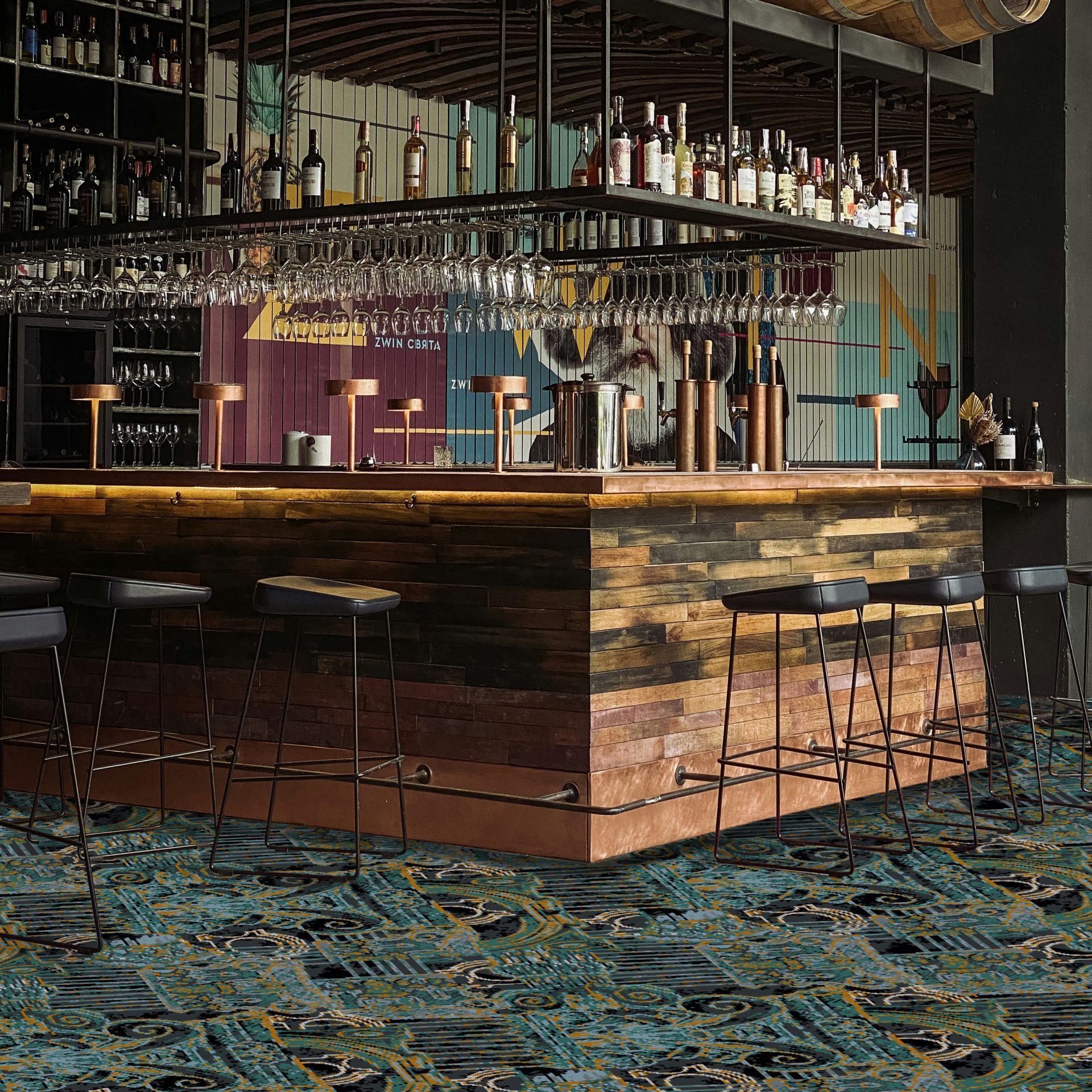
Jemima Godfrey, from the University of Huddersfield, took home First Prize in the British Wool & Alternative Flooring Award. Her winning piece, ‘Architectus,’ was inspired by architectural history, drawing from her personal experiences visiting historical landmarks like Rome and Blenheim Castle.
Jemima’s design process involved using photographs and collages to create new, unique structures, which translated beautifully into her woven textile designs. Her use of British wool in this project not only added texture and depth but also highlighted the sustainability of this natural material.
Jemima’s commitment to sustainability is evident in her desire to reduce her carbon footprint by using British wool. She values wool as a biodegradable and renewable resource. And she plans to continue exploring the potential of this versatile material in her future work.
As she moves into her final year of university, Jemima is eager to delve deeper into wool’s possibilities. Especially focusing on the use of 100% wool for a more sustainable approach to textile design.
The Future of British wool in Design
Both Grace and Jemima’s projects demonstrate the versatility and sustainability of British wool in contemporary design. From functional hiking wear to intricate carpet designs, their work reflects a deep respect for tradition while pushing the boundaries of what is possible with this natural fibre.
As they continue their journeys, we can expect to see more exciting innovations from these talented designers. All while championing British wool’s place in the future of sustainable fashion and textiles.
These young designers are not just creating beautiful work; they are part of a movement that values heritage, sustainability, and the incredible potential of natural materials. We look forward to seeing where their careers take them next!
Interested in applying for next years’ competition, check out the competition prospectus below for further information
2025 Design Competition Prospectus – Special Centenary Edition