Everything You Need to Know About British Wool Yarn
There’s something special about picking up a ball of British wool yarn and knowing exactly where it came from. Not just the country, but the breed, the farm and the hands that sheared it.
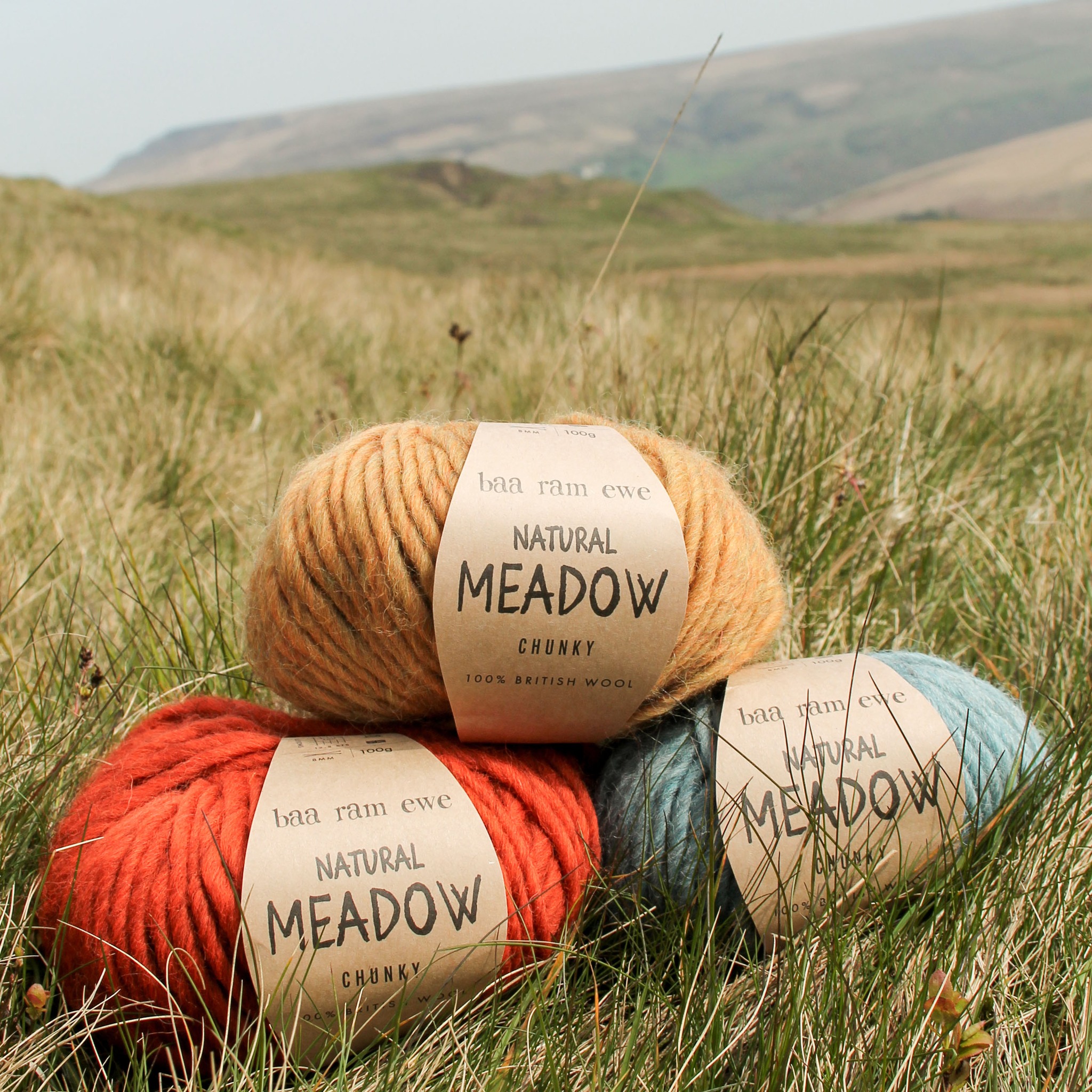
British wool has been spun into yarn for centuries and today it remains one of the most varied and versatile natural fibres available to knitters and crafters anywhere in the world. Whether you’re working on your first project or you’ve been knitting for decades, this guide covers everything you need to know about British wool yarn, from the breeds behind it to the projects it’s perfectly suited for.
What Makes British Wool Yarn Different From Other Yarns
Britain is home to over sixty native sheep breeds, more than any other country in the world and that variety shows directly in the yarn. No two breeds produce exactly the same wool. The fibre varies in fineness, length, texture and natural colour depending on the breed, where the sheep is raised and how the fleece is processed. This means British wool yarn covers a huge range of feels and qualities, from the fine, silky softness of Bluefaced Leicester to the tough, rugged character of Herdwick.
That variety is one of British wool’s greatest strengths. It means there’s a yarn suited to almost every type of project, every skill level and every preference. It also means that choosing British wool yarn connects you to a specific place and breed in a way that generic commercial yarn simply doesn’t. If that sense of knowing where your yarn comes from matters to you, our tracing every yarn programme shows exactly how far that connection goes.
The Different Types of British Wool Yarn and What Each One Is Best For
British wool is sorted into seven main groups and knowing the differences between them makes it much easier to choose the right wool yarn for your project. The full breakdown is covered in the different wool types guide, but here’s a practical overview of what matters most for knitters and crafters.
What Is Fine British Wool and What Can You Make With It
Fine wool comes mainly from downland breeds like Suffolk and Portland. It’s densely grown, springy and has a relatively short fibre length. It dyes well and produces even, consistent colour and it’s soft enough to wear comfortably against the skin. For wool jumpers and lightweight layers, fine British wool is a great starting point.
What Is Lustre British Wool and Why Is It So Popular for Knitting
Lustre wools, produced by breeds like the Bluefaced Leicester, have a natural shine and a long, often curly or wavy fibre. The Bluefaced Leicester produces the finest wool in the British clip at around 29 microns, giving a soft, silky yarn that works beautifully for clothing worn next to the skin including children’s clothing. The natural shine also means these wool yarns take colour particularly well, producing rich, vibrant results.
What Is Medium British Wool and When Should You Use It
Medium wool, from breeds like the Romney, sits between fine and coarser grades. It’s one of the most versatile groups in British wool. It takes dye well and works across a wide range of projects from clothing and wool scarves through to blankets and home textiles. It’s a reliable, all-round yarn that suits a wide range of crafters.
Hill and Mountain Wool for Hardwearing Projects
Hill and mountain wools come from native breeds that have evolved to cope with cold, exposed upland environments. The wool tends to be coarser and tougher than lowland breeds, with natural oils that make it resistant to wet weather. Breeds like Herdwick and Cheviot sit in this group and their yarns are well suited to outerwear and hardwearing home interiors like picnic blanket where toughness matters as much as softness.
Naturally Coloured British Wool Yarn and Why Crafters Love It
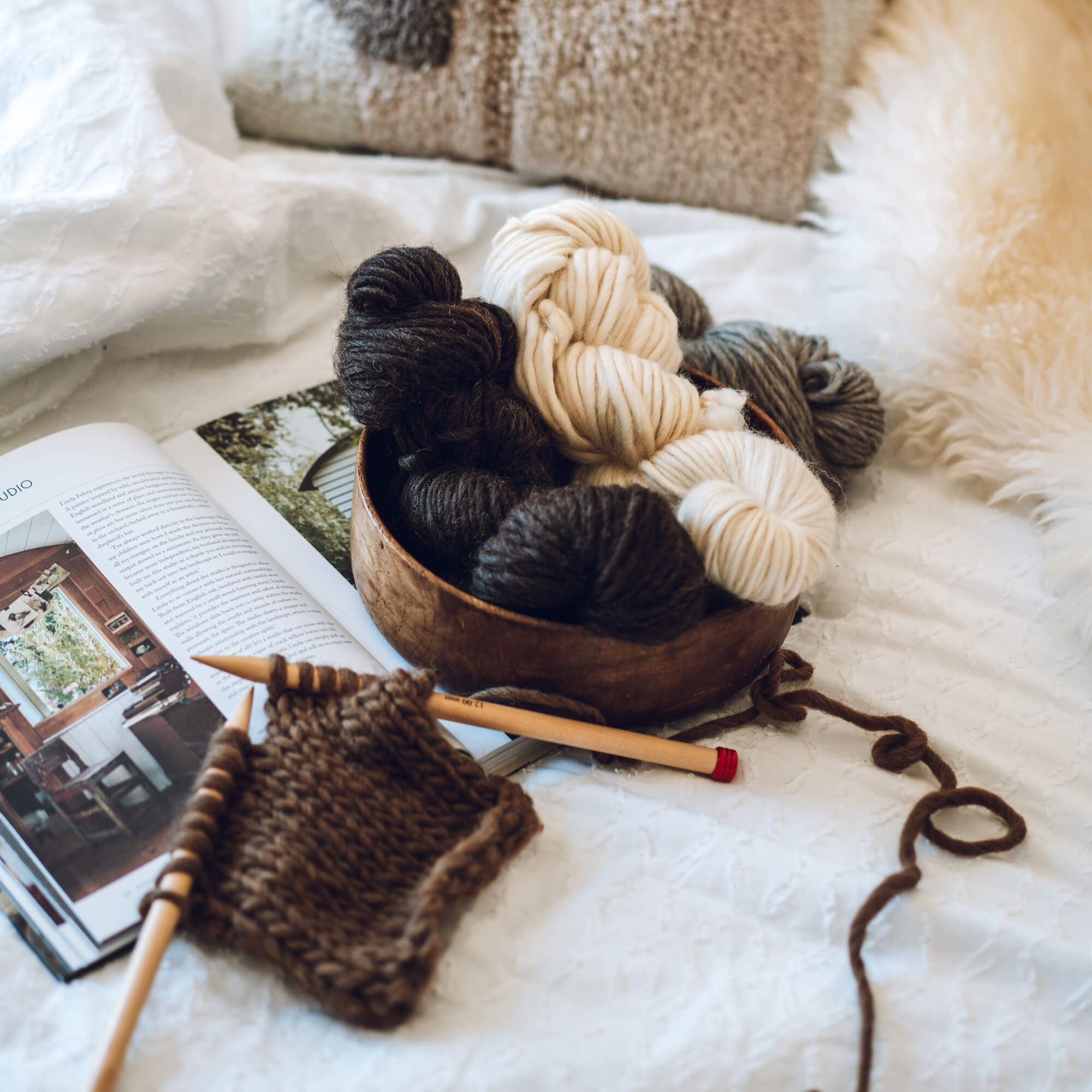
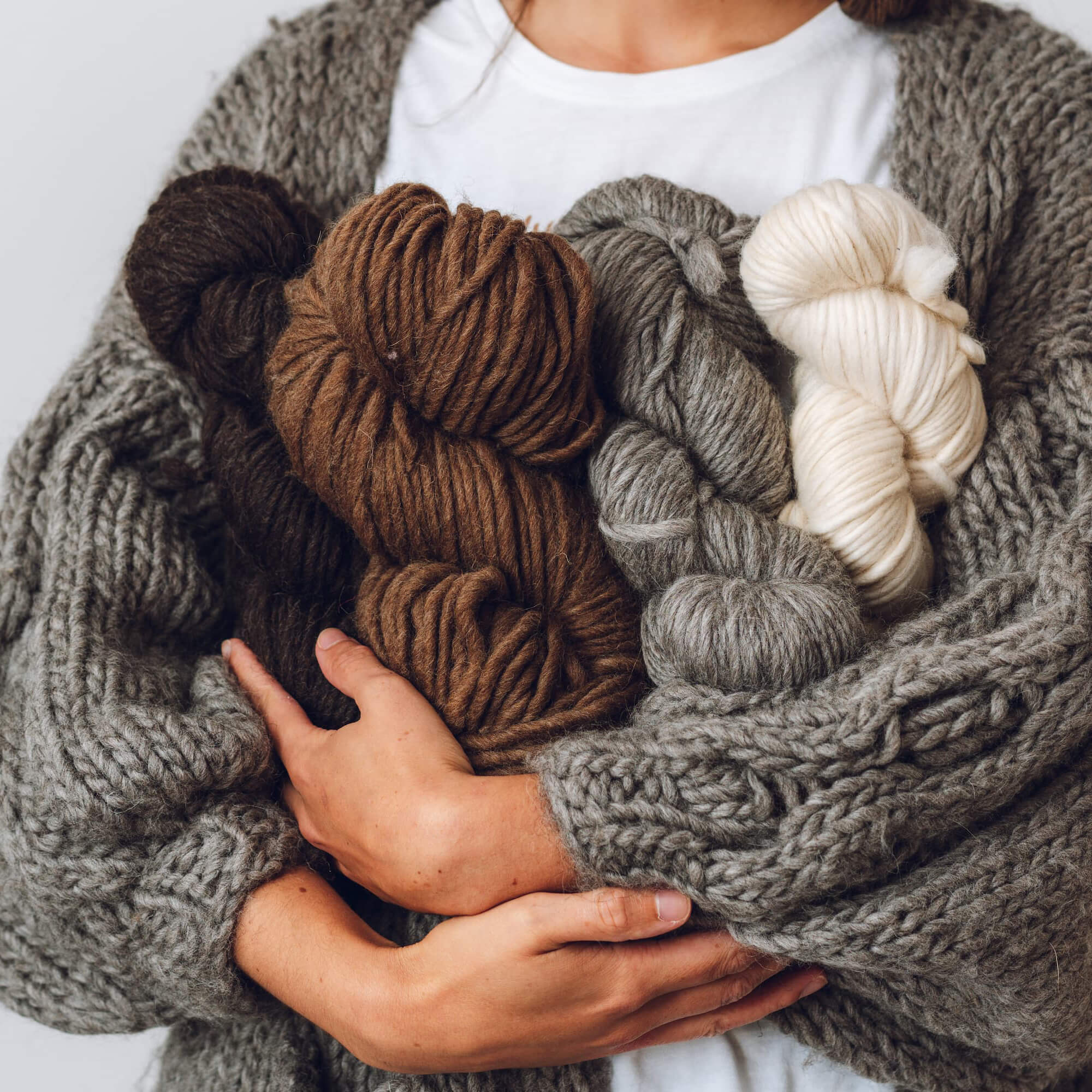
Breeds like Jacob, Herdwick and Zwartbles produce fleeces in a range of natural shades from creamy white through warm browns to deep, rich blacks. These naturally coloured wools give projects a warmth and character without any dyeing needed and they connect the finished item directly to the look of the breed it came from, which is a big part of why crafters love them.
Why British Wool Yarn Is the Best Choice for Knitting Projects
Wool has qualities that synthetic fibres simply can’t match and British wool yarn shows those qualities particularly well given the range of breeds available. Understanding why wool yarn works so well for knitting comes down to a few key things that make a real difference to both the knitting experience and the finished result.
Wool has a natural stretch that comes from the wave in the fibre. This means stitches sit evenly on the needle, the yarn bounces back as you work and the finished fabric has a softness and movement that flat, inelastic fibres can’t match. Wool is also naturally good at regulating temperature, which makes wool jumpers, wool socks and layering pieces knitted from it comfortable to wear in a range of conditions. It absorbs moisture without feeling wet, resists odour naturally and is far more hardwearing than its softness might suggest.
What Can You Make With British Wool Yarn
The range of projects you can make with wool yarns for knitting is one of the things that makes British wool so appealing to both new and experienced crafters. Different yarn weights and wool types suit different projects and matching the two well makes a real difference to how the finished piece looks and feels.
Knitting a Wool Jumper With British Wool Yarn
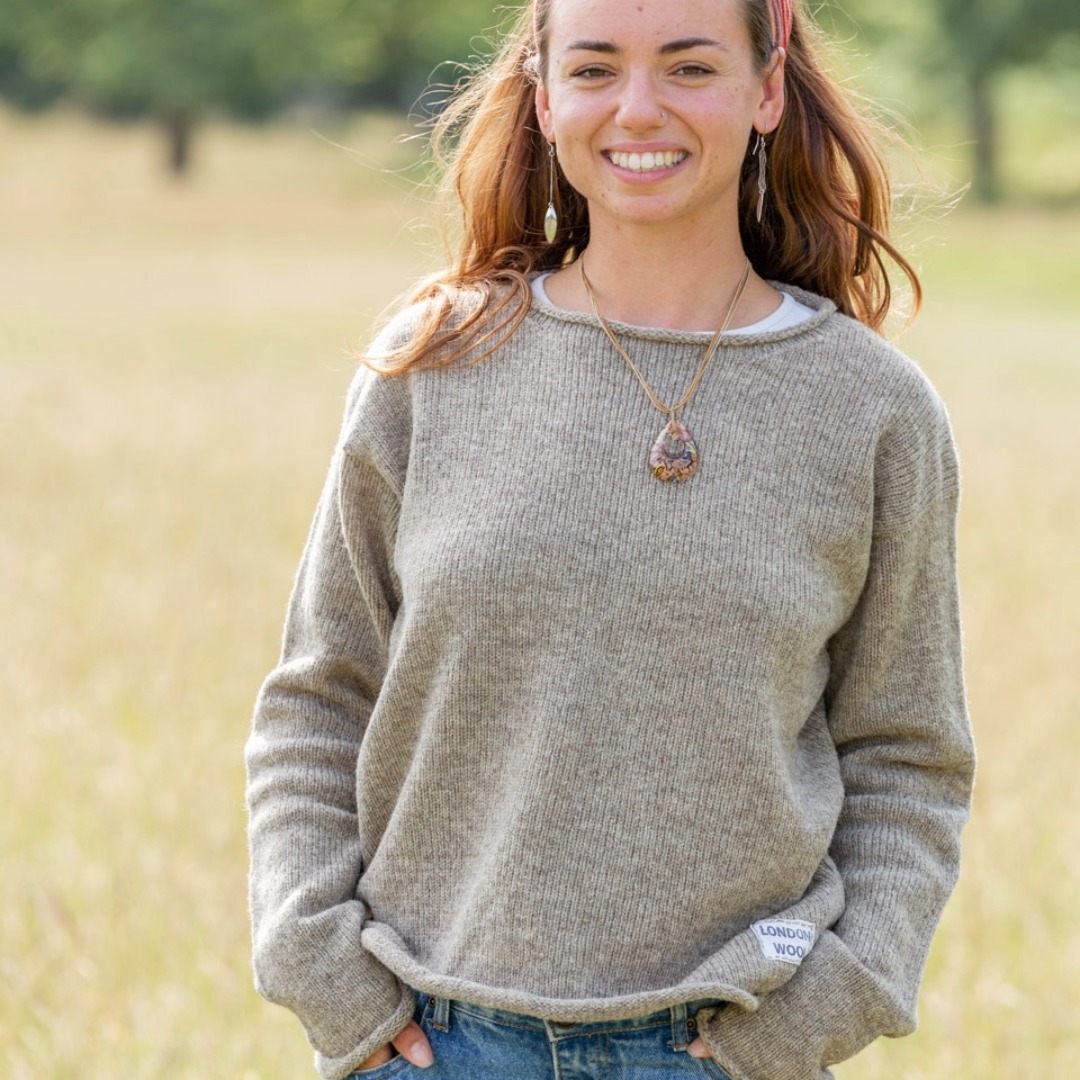
A hand-knitted wool jumper is one of the most rewarding projects a knitter can take on and British wool yarn is well suited to it. Fine and medium weight yarns produce a fabric with good shape and movement and the natural stretch of wool means the finished jumper holds its form over time rather than sagging or losing its shape. For a classic, long-lasting knitted jumper, a yarn from the medium or lustre group gives the best balance of softness and durability.
Why British Wool Yarn Makes the Best Knitted Socks
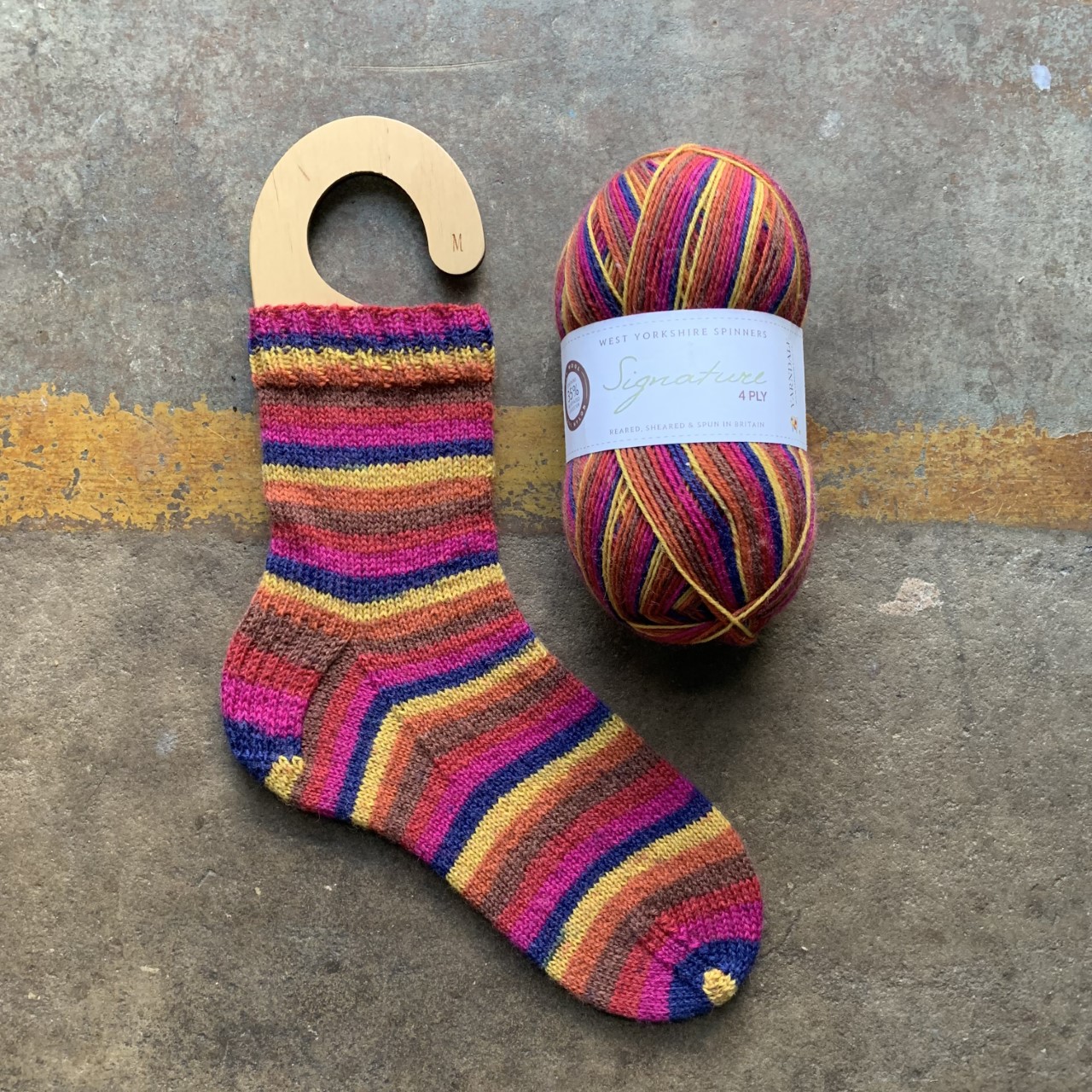
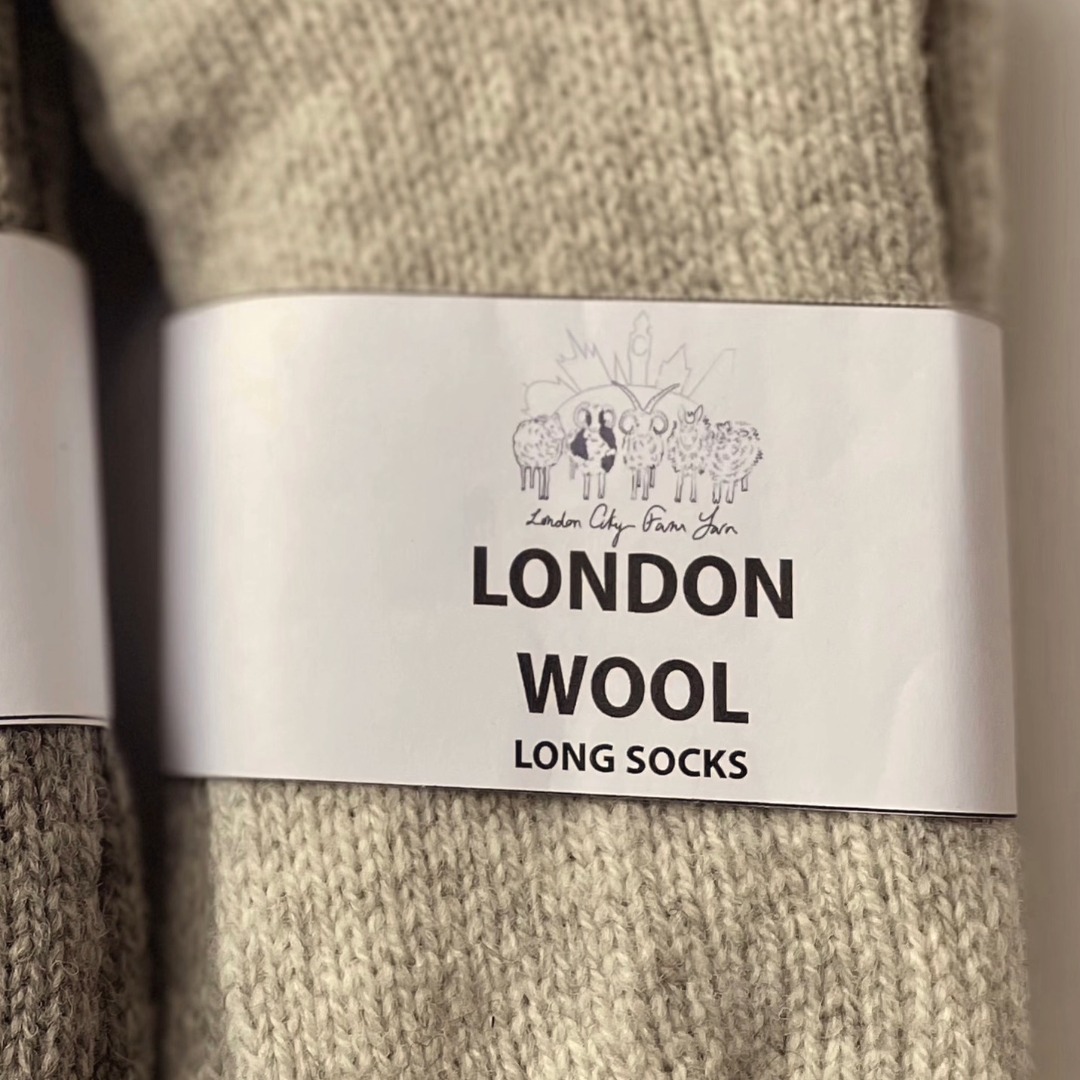
Wool socks are one of the most practical and satisfying things to knit and wool makes them genuinely better than synthetic versions. Wool’s natural ability to manage moisture keeps feet comfortable, its temperature-regulating properties mean wool socks work across all seasons and its durability holds up well to the wear that socks take day to day. For sock knitting, a finer yarn with good twist gives the stitch detail needed for patterns and the strength needed for regular use.
Wool scarves and wool beanies are some of the most approachable projects for knitters at any level and hand-knitted versions from British wool have a quality that shop-bought alternatives simply can’t match. For a wool scarf, a medium weight yarn gives a good drape and works up quickly into something useful. For a wool beanie, a slightly denser yarn with good stretch ensures the finished hat fits well and keeps its shape through regular wear. Both make excellent autumn makes and our knitting and crochet autumn projects guide has plenty of ideas to get you started.
Is British Wool Yarn a Good Choice for Crochet?
British wool yarn works just as well for crochet as it does for knitting, though the things that matter most when choosing a yarn are slightly different. Crochet uses more yarn per stitch than knitting and creates a denser fabric, so how well the yarn drapes and how clearly the stitches show up both matter when picking a yarn for a crochet project.
Lustre wools with their natural shine and soft feel are a strong choice for crochet garments and accessories where the finished item needs to hang and move well. Medium weight yarns work well for blankets and home items where structure and durability are more important. The natural stretch of wool also makes it forgiving to work with, which is particularly helpful for beginners who are still working on getting their tension consistent.
British Wool Yarn Craft Kits for Beginners and Experienced Crafters
Wool yarn craft kits are a great way to start a new project with everything you need already put together for you. For beginners, a kit takes away the sometimes overwhelming task of choosing yarn weight, quantity and pattern separately, giving you a clear starting point with guidance already included. For more experienced crafters, kits offer a well-chosen creative experience and are a lovely way to try a new technique, breed yarn, or seasonal project without the usual preparation involved.
British Wool’s range of wool yarn craft kits is designed for both, covering projects from simple beginner makes through to more detailed seasonal pieces. If you’re looking for something festive to work on, the crafting a cosy Christmas guide has a great selection of seasonal project ideas to get you started. Whether you’re looking for a weekend project or something to work on through the colder months, there’s a kit to suit every level.
Why Crafting With Natural British Wool Is Good for Your Wellbeing
There’s a reason so many people are returning to natural fibres and handmade projects. In a world of fast fashion and throwaway goods, knitting or crocheting something from British wool yarn is a slow, deliberate act that produces something lasting and personal. The art of mindful crafting blog explores this in depth, but the core of it is simple: working with a natural material that has a clear story behind it makes the craft more meaningful and the finished item more valued.
British wool yarn is also one of the most sustainable choices a crafter can make. Wool is a natural renewable fibre, it breaks down naturally at the end of its life, it doesn’t require petrochemicals to produce and buying British wool supports the farming communities and skills that have shaped the British countryside for generations. Research from the International Wool Textile Organisation highlights the significant microplastic pollution caused by synthetic fibres as another reason to choose natural alternatives.
How to Wash and Care for Knitted British Wool Projects
Looking after finished British wool yarn projects is straightforward once you know what wool needs. Most wool jumpers, wool socks, wool scarves and wool beanies do best with a gentle hand wash in cool water, or a delicate machine cycle if the yarn label says it’s safe. Using a specialist wool laundry wash helps protect the fibre and keeps finished items feeling soft and fresh for longer. Wool should be gently reshaped while still damp and laid flat to dry rather than hung up, which can cause it to stretch out of shape under its own weight.
Looked after well, a hand-knitted woollen piece will last for years, often much longer than anything made from synthetic fibre. The durability of wool is one of its most underrated qualities and a little care is all it takes to keep it looking and performing its best.
British wool yarn is one of the most varied and rewarding materials a knitter or crafter can work with. There’s a British wool yarn suited to every project, whether that’s wool jumpers, wool socks, wool scarves, wool beanies, or anything else you’d like to make. Add to that the traceability, the sustainability and the satisfaction of working with a natural fibre with a story behind it and it’s easy to see why so many crafters are choosing British wool over synthetic alternatives.
Browse the full knitting yarn range to find the right British wool yarn for your next project. If you’d like a ready-made starting point, our wool yarn craft kits have everything you need in one place.