Le Tricoteur: The Craft of the Guernsey Jumper
For over six decades, Le Tricoteur has been the beating heart of traditional guernsey knitwear. Crafting timeless fisherman’s jumpers that tell a story of heritage, craftsmanship and sustainable values.
We spoke with Rachael Lainé, Owner of Le Tricoteur Guernsey, to learn more about the history behind the brand, what makes their jumpers so special, and how they’re keeping tradition alive in a modern world.
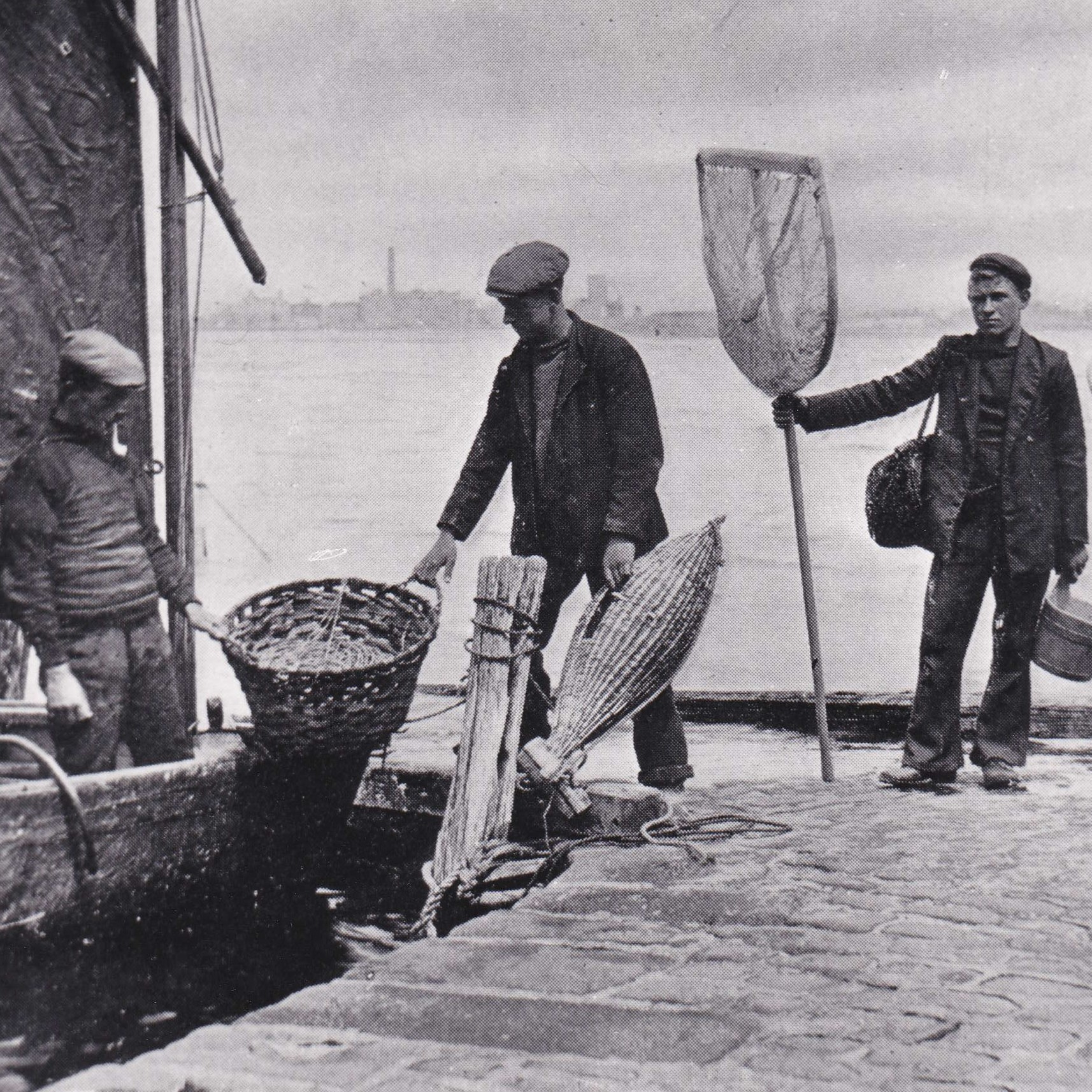
A Proud Island Heritage
“Le Tricoteur is the oldest existing maker of traditional guernsey knitwear made on the island of Guernsey. It is in its 61st year of manufacturing,” Rachael begins.
The company was founded by Guernsey native Robert Macdougall, whose fisherman’s sweater sparked so much interest while he was studying in America that he returned home and began producing them for a wider audience.
“Le Tricoteur grew to its heyday in the late 70s when they were producing over 100,000 garments a year and had approximately 400 knitters working from their homes.”
Now, under Rachael’s ownership since 2020, the company has found new life — maintaining its traditional techniques while reaching new audiences through social media and modern design.
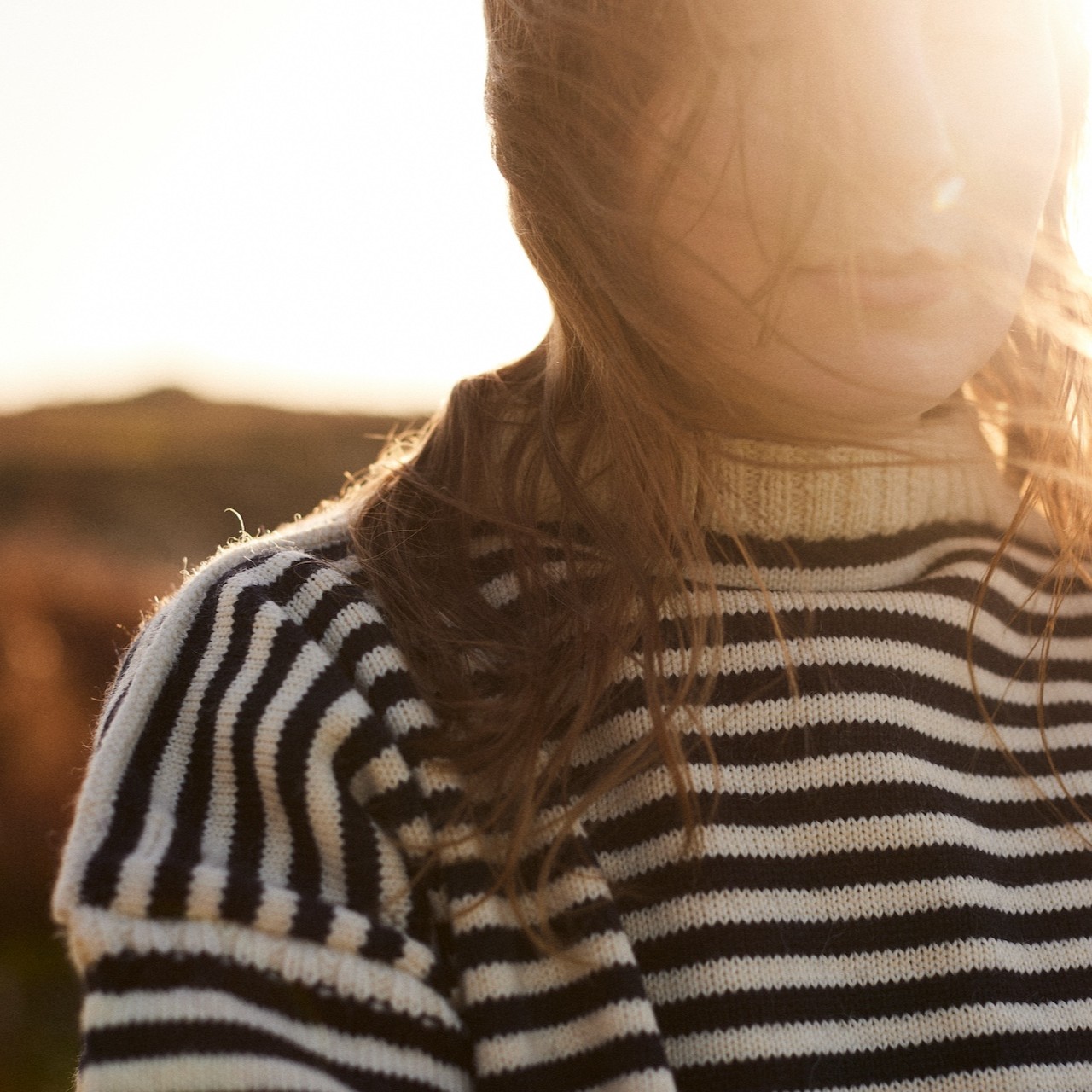
“We shoot all imagery locally, and I’ve introduced a few new modern silhouettes and fashion colours — but all the garments are unmistakably guernseys.”
What Makes a Guernsey So Special
The guernsey jumper isn’t just a piece of knitwear — it’s an emblem of island life.
“They are considered the indigenous fisherman’s jumpers for all of the Channel Islands, much like the Fair Isle in Scotland or the Aran in Ireland.”
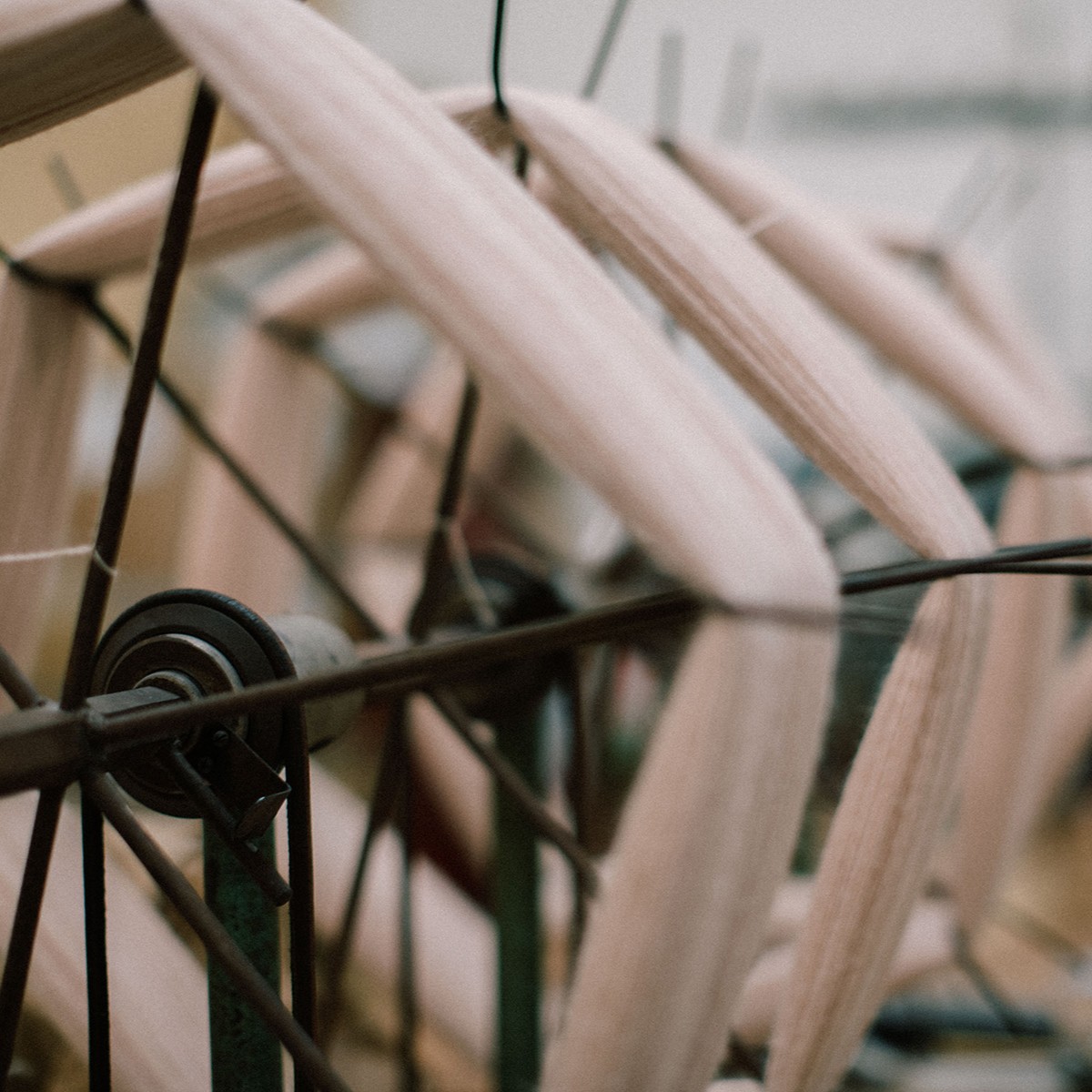
Each guernsey is crafted using British accredited worsted wool, tightly spun and densely knitted for durability and weather resistance.
“Le Tricoteur knits guernseys on a tighter gauge than what is typically found in high street knitwear… resulting in more wool per inch and greater wind resistance.”
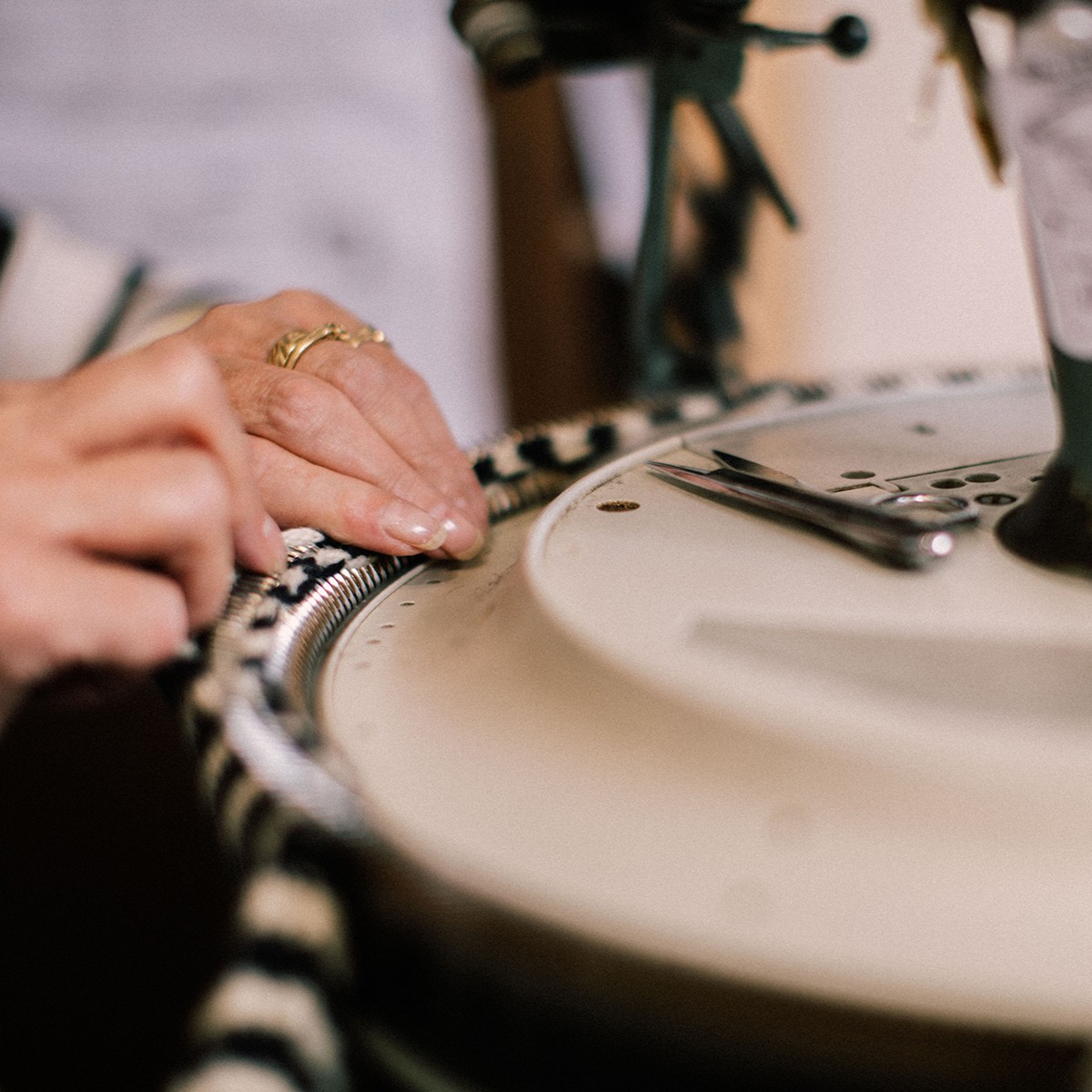
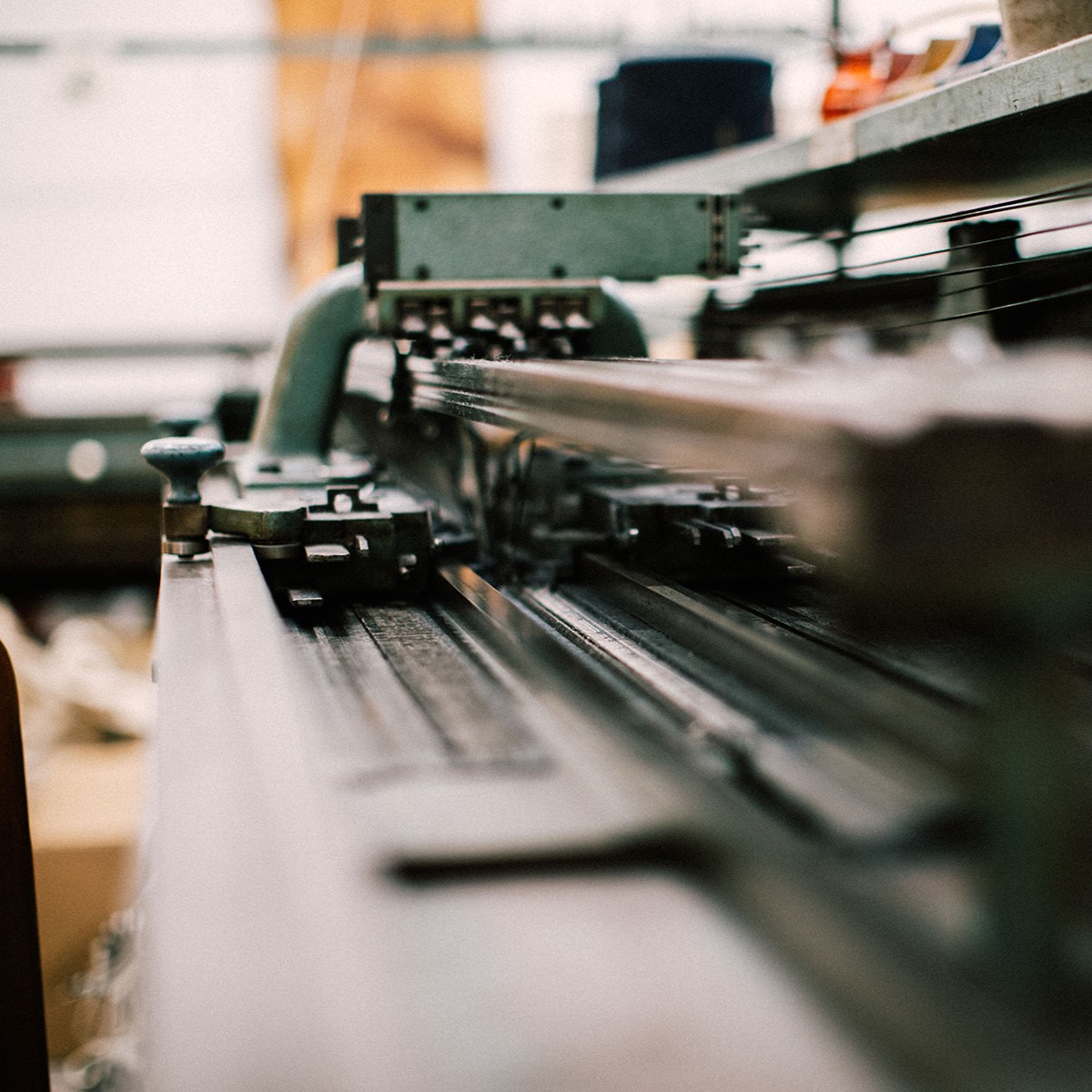
Rachael explains that every jumper is made using vintage flat-bed knitting machines, with pieces finished by hand.
“Each piece is fully finished and not cut and sew – which means they have a selvedge edge and if snagged will not unravel completely.”
Even the design details carry meaning:
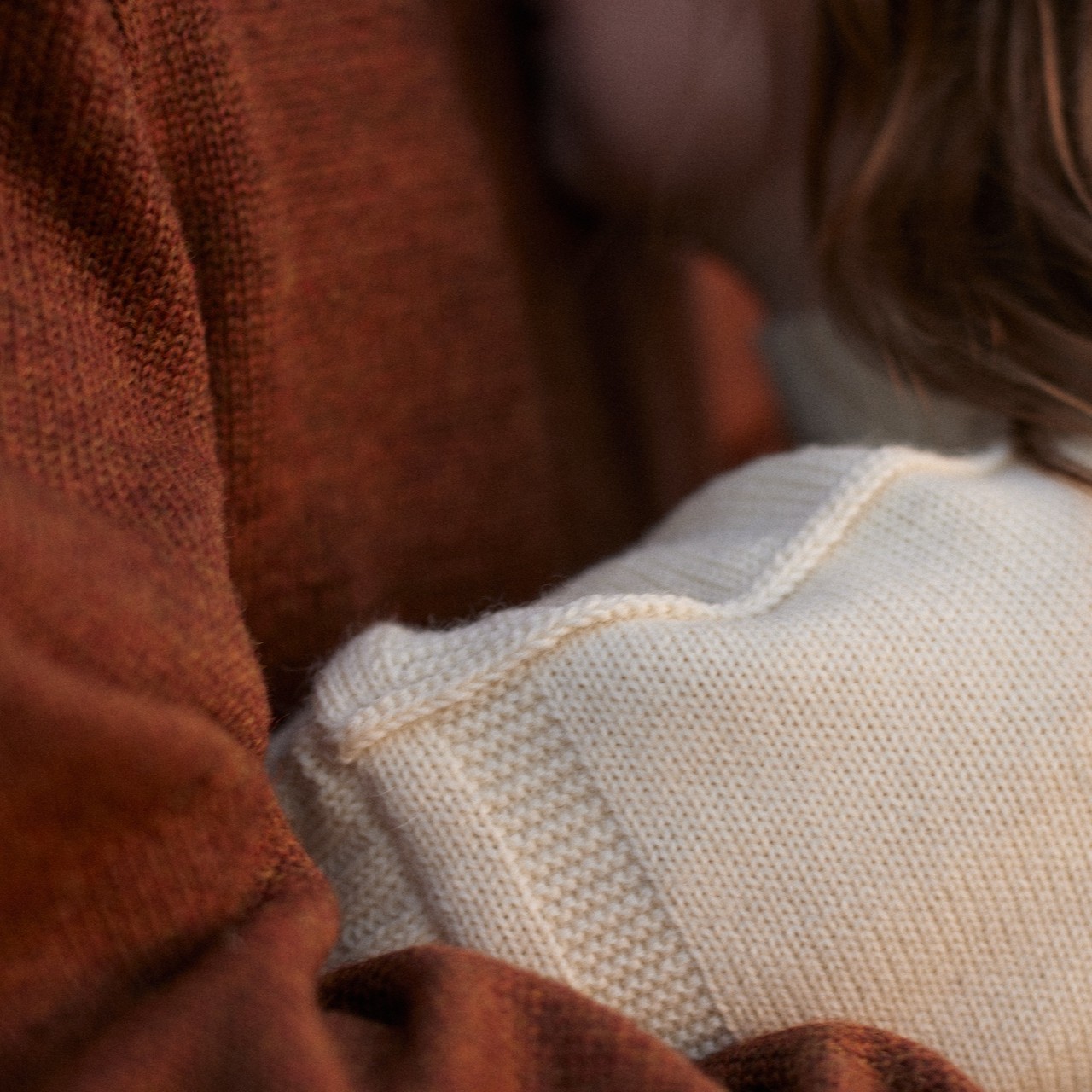
“The horizontal ribbed stitch makes up the ladder used to climb the harbour wall after a day out at sea… the raised seam across the shoulder is meant to look like a piece of uncoiled ship’s rope, and along the hem there are vertical ribs that look like nets hanging over the edge of the boats.”
Sustainability Woven Into Every Stitch
From the outset, Le Tricoteur has embodied what sustainable fashion should be — thoughtful, local and built to last. “We use only 100% British wool throughout the knit, including in the linking. Our guernseys are made to last and wool is naturally biodegradable,” Rachael says.
To prove this point, they even conducted their own experiment.
“As painful as it was to bury pieces of our beautiful knits, within weeks they had started to decompose and after less than three months had completely disappeared.”
Every stage of production happens on the island — from factory processes to hand-knitting.
“It’s important to us that we use local labour and we have built a proud and dedicated team – some of our staff have been working for us for over 40 years.”
Even offcuts are reused: “We created a range of ‘remade’ products using knitted remnants — tote bags, hot water bottle covers and even dog coats.”
Built to Last a Lifetime
Care and longevity are central to the Le Tricoteur philosophy.
“The nature of the wool used means that the guernseys require very little washing… Wool’s natural properties mean they don’t absorb smells as they’re resistant to bacterial growth.”
Rachael advises customers to store their jumpers folded, not hung, and protected from moths.
“Properly cared for, they will last a lifetime.”
And if they ever need mending? “It is possible to undo and re-knit the necks and cuffs. We often hear of our guernseys being handed down through generations requiring only minimal mending after 40 or 50 years.”
Why British Wool Matters
The connection between Guernsey and British wool is centuries old. “We have always and only ever used English wool in our guernseys,” Rachael says proudly.
The tradition dates back to a Royal grant awarded by King Edward III in 1468, when Guernsey merchants were given the right to import English wool — a trade link Le Tricoteur continues today.
“British wool has travelled less to get to us, and we know we’re supporting British farmers and a heritage industry.”
A Shift Towards Conscious Consumption
There’s no denying that consumer attitudes are changing.
“There seems to be a desire to learn about traditional craft, to support smaller businesses and to return to natural fabrics that don’t harm the planet and its people,” Rachael observes.
“Buying decisions are more frequently being made with an environmental and sustainable outlook – consuming less and being conscious of the entire fashion ecosystem.”
It’s a shift that aligns perfectly with Le Tricoteur’s ethos — one jumper that lasts a lifetime, rather than many that don’t.
The Future of Sustainable Fashion
For Rachael, sustainability goes far beyond materials. “We’ve quite by accident created a fully sustainable way of working,” she says. Generations of islanders have grown up with Le Tricoteur.
“Many of our workers are grandparents now, and some of their children have also joined the company because they recognise the flexibility we offer.”
As for what’s next, the team continues to innovate. “We’re launching some new colours this season, meeting the desire to create our guernseys in more natural, undyed yarn colours… less processing means that undyed yarn is an even more sustainable choice.”
And their dream? “To be able to grow our own wool, spin it and make a guernsey from ‘sheep to shelf’ entirely on the island.”
A Timeless Legacy
Le Tricoteur’s story is one of heritage, resilience and quiet innovation. A reminder that true craftsmanship never goes out of style. As Rachael beautifully sums up:
“We’re excited for the Le Tricoteur brand to be recognised for making the very best, beautiful and timeless guernseys whilst maintaining the knitting heritage on the island.”