
Left in the cold…
Millennials are missing these major questions when buying a home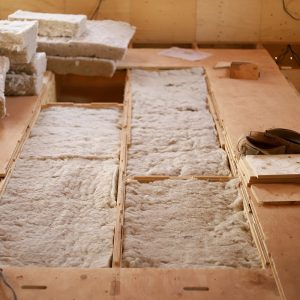
Buying a home can be a daunting process for many, from mortgages to surveys. The to-do list is endless and often confusing.
Despite a cost-of-living crisis and soaring energy prices. A new report has found that 70% of millennials wouldn’t ask what kind of insulation a property they were purchasing currently had.
A further 80% wouldn’t even consider asking how old the carpets were. Or even what they are made from or if the windows were double glazed (60%).
The report, commissioned by farming industry body British Wool. Which represents more than 35,000 sheep farmers in the UK, and collects, grades, markets and sells wool on behalf of UK sheep farmers. Is a stark warning that house-buyers need to be more alert than ever before when it comes to the insulation of their home to keep long-term costs down.
Often dubbed ‘generation rent’, millennials are currently the most likely age-group to be making their move on to the housing ladder, with the average age to buy a house reaching 34-years old as of 2022 [1] – but has years of rental properties left them clueless as to what questions to ask?
Experts believe that short-term expenditure is needed across the UK housing market to ensure our homes are sufficient for winters to come
Yet, it’s not just millennials that are clueless when it comes to insulation.
With over 28% of all current homeowners wishing they had asked about insulation prior to moving in.
The research also found 25% of Brits do not believe their home is well-insulated.
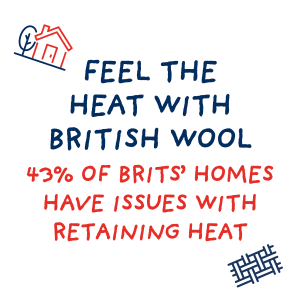
With issues such as not retaining heat (43%), often feeling a draft (38%), and feeling damp and cold (26%) being common place.
The study of more than 2,000 respondents. Also found that 30% of people weren’t aware of Sheep’s Wool as a cost-effective and sustainable type of building insulation.
With the proven consumer shift towards increased spending on products with ESG-related claims [1], millennials and Gen-Z will be looking to future proof their homes in the most sustainable way possible, and are willing to pay for it.
Advice from Industry Experts
Lisa Conway, Carpet Expert at Brintons said,
“It’s time to talk insulation. If there’s anything this winter has taught us it’s the importance of keeping warm, whilst not spending too much on our heating bills. By simply having wool carpet in your home, you’re taking the first step to keep the warmth in, with wool carpets providing as much as 13% more insulation than hard surface floors.
“Just as with duvets, carpets have tog ratings. A tog is a measurement of thermal resistance and therefore the higher the tog rating, the more heat your carpet will retain, and the better it will be as an insulating material.
“The benefits of wool carpet don’t just stop at insulating your home, as they’re practical and hardwearing ensuring they will look great and last for years to come.”
Mark Lynn, Wool Insulation Specialist at Thermafleece said,
“By not asking these questions before the point-of-sale, millennials and many others could be doing themselves – and their wallets – a disservice. British houses are some of the worst insulated in Europe and although the last thing many of us will want to do in the current climate is to spend money on insulating our homes, it could be the best way to save thousands for years to come.
“When purchasing a home, it’s easy to want to spend on the aesthetics, but if you wouldn’t ignore a leaky roof – don’t ignore poor insulation. There’s no denying it’s an investment, so that’s why it’s essential to research the most appropriate form of insulation for you and your home.”
And it’s not just insulation that millennials are skipping key questions on. With a worrying number of Brits not enquiring about if the property has an up-to-date gas safety certificate (65%). Or when the electrics were last serviced (73%) and where the stopcock is (84%).
Sources
This research of 2,013 UK based Brits was commissioned by British Wool and conducted by Opinion Matters during January 2023.