Our Guide on What to Know About Wool Rugs
Step into many well-loved British homes and you’ll likely find a wool rug at the centre of everyday life. In the hallways, by the fireplace, under dining tables or anchoring living rooms. They’ve been a staple for generations for good reason.
Natural fibres perform in ways synthetics can’t match, and wool is one of the most durable and versatile. If you’re considering a rug for your home and wondering whether British wool is worth the investment, this guide covers the key benefits and how to care for it properly.
What Is the Real Difference Between Wool and Synthetic Rugs?
The fundamental difference between wool and synthetic rugs starts at fibre level. Wool has a natural crimp. A microscopic spring-like structure that gives each fibre elasticity and bounce. When pressure is applied, such as heavy foot traffic, wool fibres compress and then recover. Synthetic fibres, by contrast, tend to flatten over time. Creating a permanent worn appearance that cannot be restored through cleaning or vacuuming.
This structural resilience is not the result of treatment or finishing; it is inherent to the fibre itself. It is why wool performs so well in high-traffic areas such as hallways and living spaces, maintaining its shape and appearance over years of use rather than degrading under pressure.
That performance difference also becomes clear when considering long-term value. While wool rugs typically require a higher upfront investment than synthetic alternatives, they are designed to last for decades rather than years. Synthetic rugs often need replacing as fibres crush, colours fade and backings break down, meaning the total cost of ownership can be significantly higher over time.
Material origin also matters. Most synthetic fibres are derived from petroleum and contribute to microplastic shedding during use and washing, ultimately ending up in landfill after a relatively short lifespan. In contrast, a wool rug is made from a natural, biodegradable fibre that, when properly cared for, can last for decades before returning safely to the earth. This makes the choice between wool and synthetic not only a question of quality and durability, but also of environmental impact and long-term values
The Benefits of a Wool Rug in Your Home
Durability That Lasts Decades
A high-quality wool rug resists crushing and matting far better than synthetic alternatives, helping it retain its shape and colour for years. This long-term resilience is why wool remains a preferred choice for durable, long-lasting interiors.
Natural Stain and Dirt Resistance
Wool’s fibre structure helps repel liquid and dirt at the surface, giving more time to clean spills before they set. Dust and grit are also less likely to embed deeply, making routine maintenance easier than with synthetic rugs.
How Wool Rugs Help Regulate Moisture
Wool naturally absorbs and releases moisture, helping balance humidity in a room without trapping damp. This is one of the reasons wool takes care of itself in ways synthetic materials don’t. This reduces conditions that support mould, bacteria, and mildew, making it well suited to busy living spaces.
Warmth and Acoustic Benefits Underfoot
Wool provides natural insulation by trapping air within its fibres, creating a warmer feel underfoot than many synthetics. It also absorbs sound, helping to soften acoustics in open or hard-floored spaces throughout the year.
Are Wool Rugs Good for Allergies?
Yes. Wool rugs are naturally resistant to dust mites, mould and mildew, the three most common triggers for allergic reactions and breathing difficulties in the home. Wool’s moisture-regulating properties prevent the damp microclimates that dust mites need to survive, and the fibre’s structure doesn’t harbour the same build-up of allergens that synthetic alternatives tend to accumulate. For households managing allergies or asthma, choosing the right rug material can make a noticeable difference to air quality.
How to Care for and Maintain a Wool Rug
One of the things people are often surprised to discover is how low-maintenance wool rugs are with the right approach. Wool’s natural properties do a lot of the work for you. Here is what a proper care routine looks like.
Vacuuming a Wool Rug
Vacuum once or twice a week in busy areas using a suction-only setting. Avoid rotating brushes, which can damage the pile. Always vacuum in the direction of the fibres. Light shedding at the start is normal and will reduce over time.
Dealing With Spills and Stains
Deal with spills quickly by blotting (not rubbing). Use cold water first, as hot water can set stains. A small amount of wool-safe detergent can be used if needed but avoid harsh chemical cleaners.
Rotating Your Rug and Protecting It From Light
Rotate your rug every 6–12 months to ensure even wear. Keep out of prolonged direct sunlight where possible, as this can cause fading over time. How to use wool rugs in every season covers how to adapt your care routine through the year.
When to Get a Wool Rug Professionally Cleaned
A professional clean every two to three years helps remove deep dirt and maintain appearance. Always use a cleaner experienced with wool and ensure the rug is fully dry before reuse.
Where to Use Wool Rugs at Home
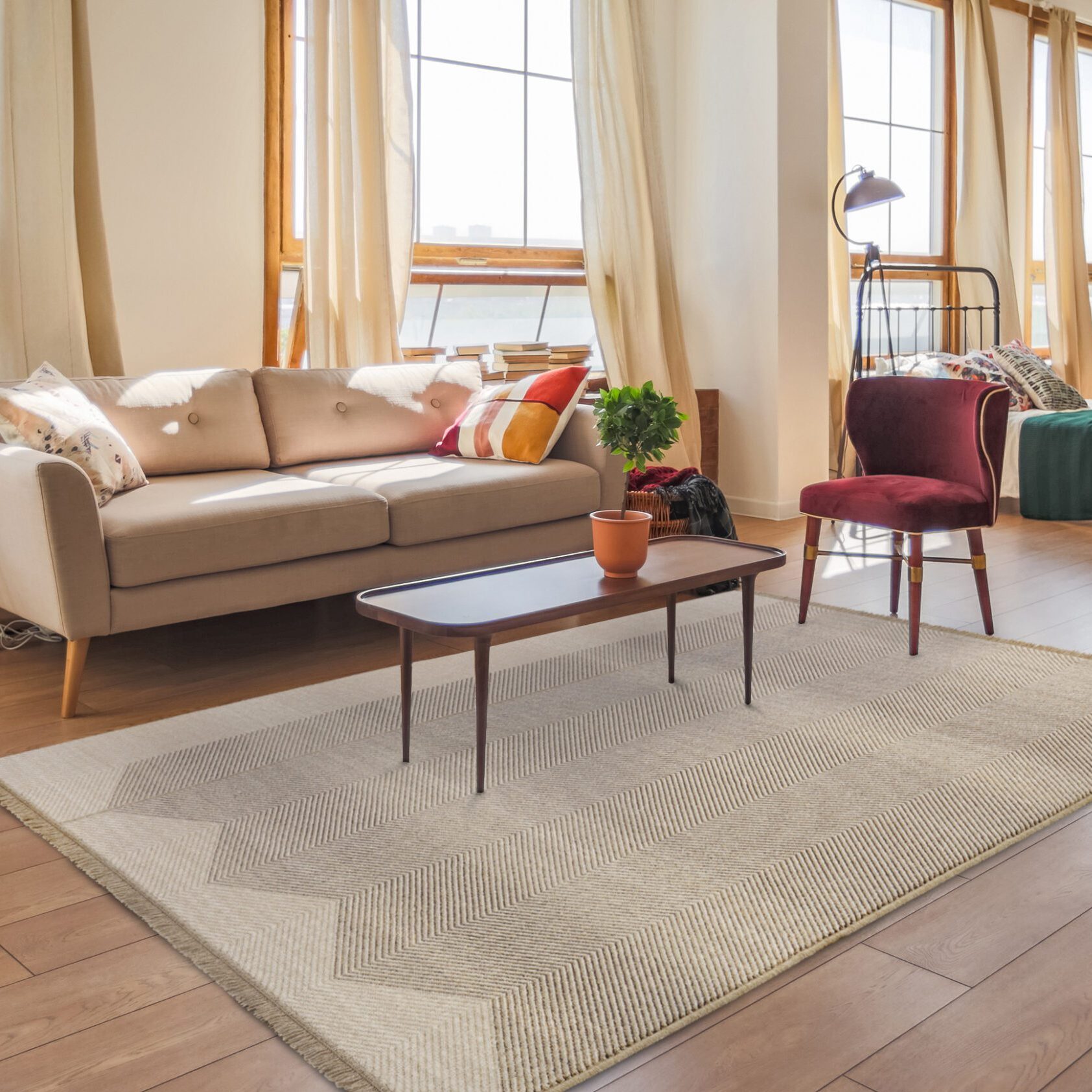
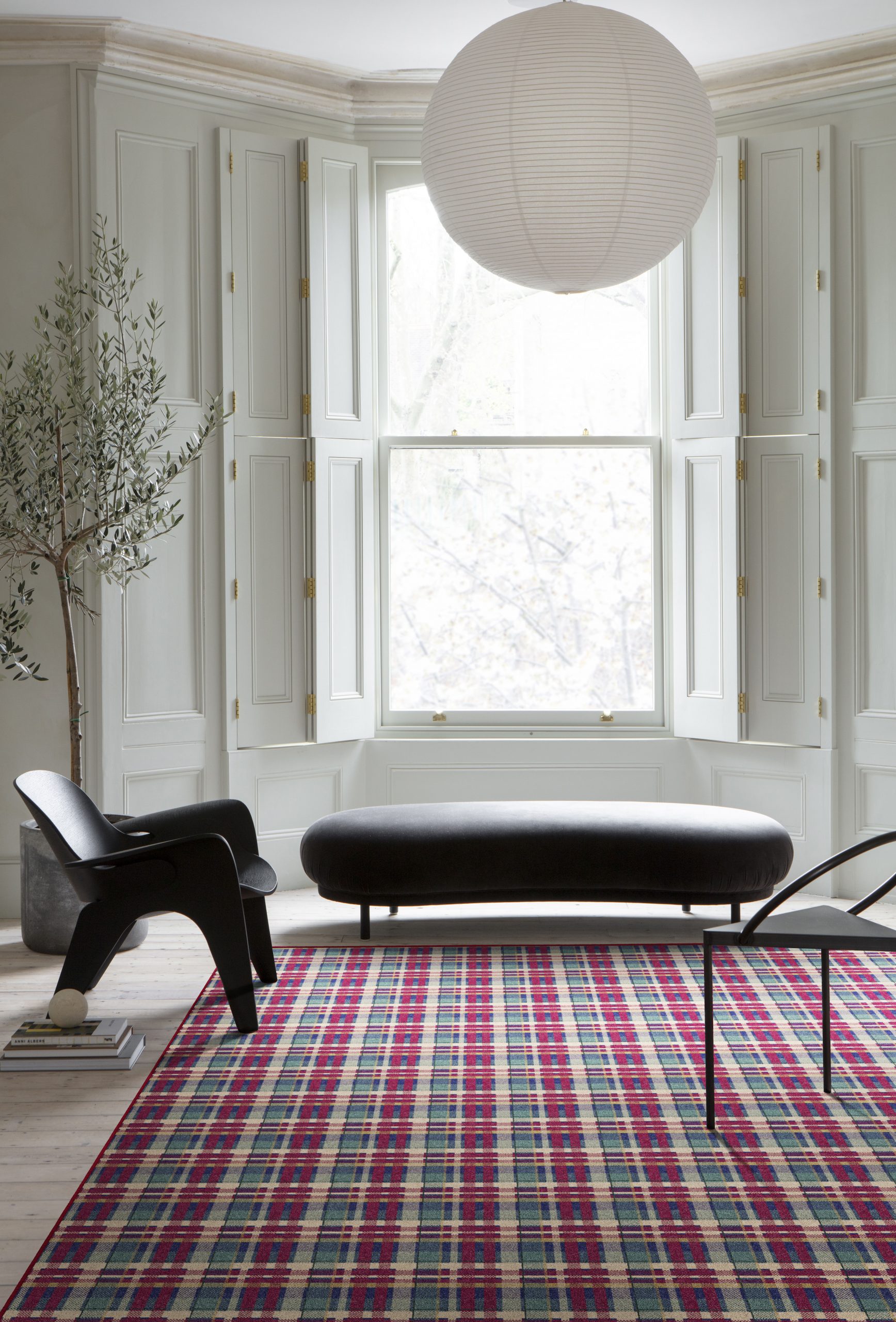
Wool rugs work in almost every room, and their versatility is part of what makes them such a practical long-term purchase. In living rooms, they anchor the furniture arrangement and add warmth to hard flooring. In bedrooms a wool rug beside the bed provides a soft, warm landing in the morning, particularly valued in older homes with stone or wooden floors. In dining rooms, the density of a wool pile holds up well under chairs and table legs in a way that thinner rugs don’t.
Hallways are perhaps the most demanding test for any rug and British wool rugs pass it well. The fibre’s natural bounce-back quality means constant foot traffic doesn’t leave the permanent tramlines that synthetic hall runners develop. The carpet trends covered by Joanna Ramsden are worth exploring for ideas on how to incorporate rugs into contemporary interior schemes with confidence.
What to Look for When Buying a Wool Rug
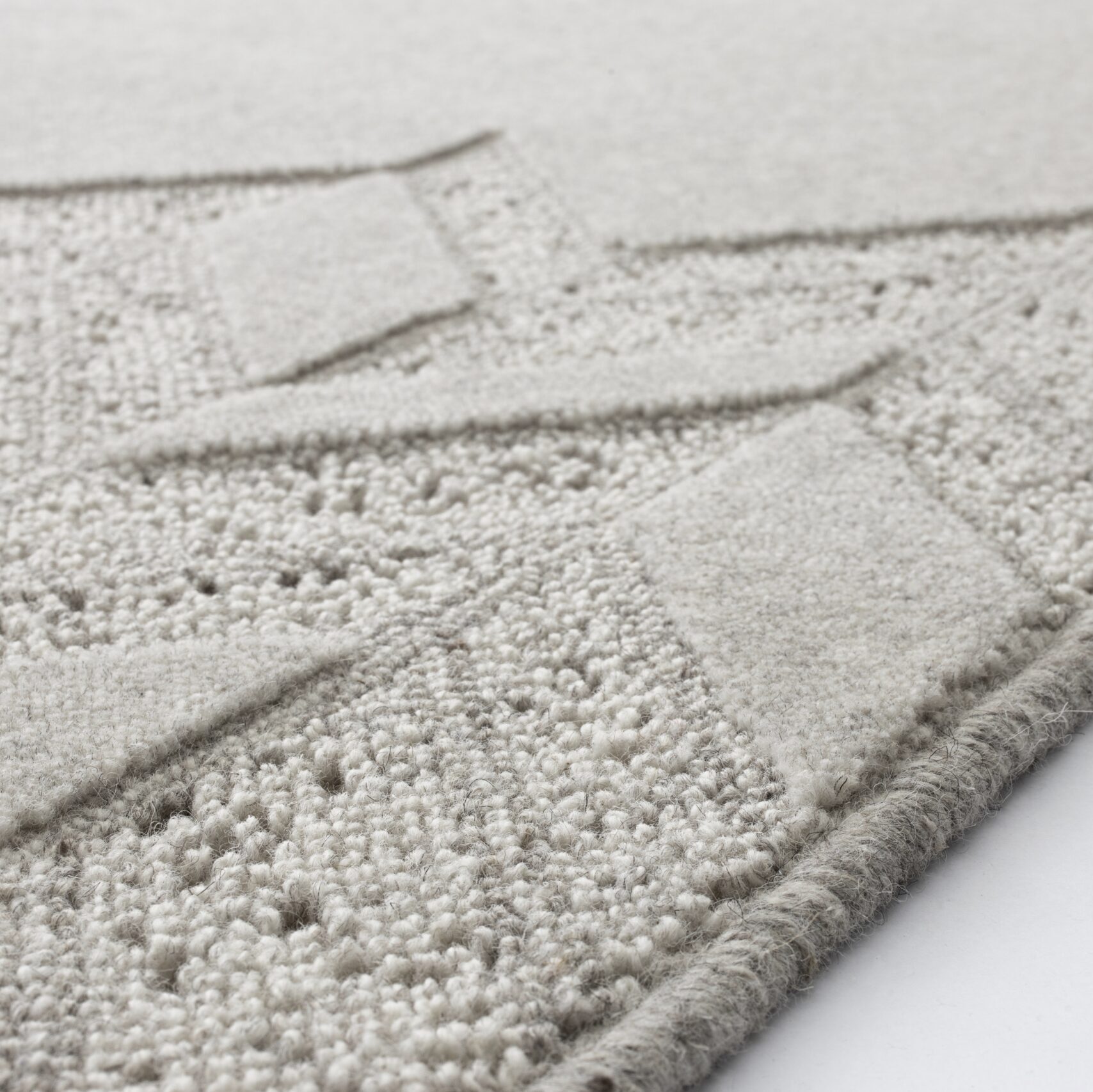
When assessing a wool rug, weight and pile density are the most reliable indicators of quality. A denser pile wears better and feels more substantial underfoot. Lift the corner of the rug and look at the backing. A tight, even weave is a sign of careful construction. The pile should spring back when you press it down; if it stays compressed the fibre density may not be sufficient for everyday use.
Look for rugs that clearly state the wool content and, where possible, the origin of the fibre. A pure wool rug should contain 100% wool, with no synthetic blending to reduce the cost. British wool rugs carry an inherent quality standard that comes from the breed, the farming practice and the fibre’s natural characteristics. Understanding what makes a quality rug worth investing in helps you make a better decision at the point of purchase rather than discovering it later.
A word on pile type: plush pile rugs offer a softer, deeper underfoot feel and work well in bedrooms and living rooms. Flatweave designs are lower profile and more hardwearing, making them a practical choice for hallways and dining rooms. Both are available in our British wool collection and offer the same natural performance benefits. The choice ultimately comes down to the room and the feel you want to create.
Why British Wool Rugs Are Worth Choosing
Not all wool is the same and where the fibre comes from affects the quality of the finished rug. British wool comes from a diverse range of sheep breeds across the UK, each producing fleece with slightly different characteristics, from the coarser Herdwick and Swaledale fleeces suited to hardwearing floor coverings to the finer wools used in softer pile products. The result is a naturally varied fibre that is exceptionally well suited to rugs specifically because of its robustness and resilience.
Choosing British wool also supports UK farmers and rural communities. The fibre is fully traceable and produced through generations of shepherding expertise, with different breeds contributing distinct qualities that can be matched to different interior needs.
A wool rug is one of the most considered purchases you can make for your home. The durability, the natural stain resistance, the moisture regulation, the hypoallergenic properties and the acoustic comfort are all built into the fibre itself rather than added through chemical treatment. A British wool rug brings all of that alongside the quality that comes from centuries of sheep farming on British soil.
Browse the full range of British wool rugs in the shop, from plush pile designs for living rooms to hardwearing flatweaves for hallways and dining rooms and find the right one for your home.