
Our Sheep Farmers
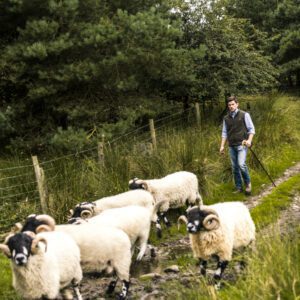 The UK is in the midst of a remarkable transformation in its attitude towards farming.
With a growing interest in the farm-to-table movement and a focus on sustainable practices, more and more individuals are drawn to the world of agriculture.
This newfound fascination with farming is often fueled by a desire to reconnect with nature, engage in meaningful work, and embrace a simpler way of life.
The rise of farming as a celebrity-driven phenomenon is undeniable. Mainstream farming TV shows and celebrities who have embraced the farming lifestyle have played a pivotal role in shaping this trend.
However, it’s important to recognise that behind the glamorous façade portrayed by these shows lies a reality that is often challenging and demanding.
Will Young, a young farmer who gained fame on Love Island’s ninth season, has teamed up with us to bridge the gap between public perception and the realities of farming. Young states,
“I want to use my platform as a farmer to help champion farmers and spotlight the realities of what they go through, to help give the British public an honest look at the modern farming industry. We rarely hear about the struggles of farmers, and I know British Wool is keen to change the public’s perception and support British farmers.”
CHAMPIONING THE INDUSTRY
As an organisation that represents 35,000 sheep farmers across the UK, we have embarked on a bold campaign. This initiative aims to shed light on the true face of farming – celebrating its virtues while raising awareness about the struggles farmers encounter.
Whilst showing why the UK population should champion British sheep farmers and make sure they are buying British wool products.
Jim Robertson, Chairman of British Wool, underscores the campaign’s importance by emphasising,
“Our mission is to champion British wool and drive a better price for farmers. There’s no denying that a farmer’s experience is a unique one, and it’s through recognising this that we’re able to create and provide support that really works. We want to harness the interest the British public has in farming and translate this into support for our farmers.”
As part of this campaign, we have engaged directly with farmers to ensure their voices were heard. Astonishingly, 79% of those surveyed would recommend farming as a career choice, showcasing their deep passion for their work and the industry as a whole.
Ellen Firth, a sheep farmer in North Wales, shares her sentiments:
“The job is so rewarding. Seeing the sheep I’ve raised from lambs, I’m so excited to care for them every day, and I’m so proud of how they’re looking. There really is a huge amount of reward, and that’s one of the main perks of the job.”
FROM SCREEN TO REALITY
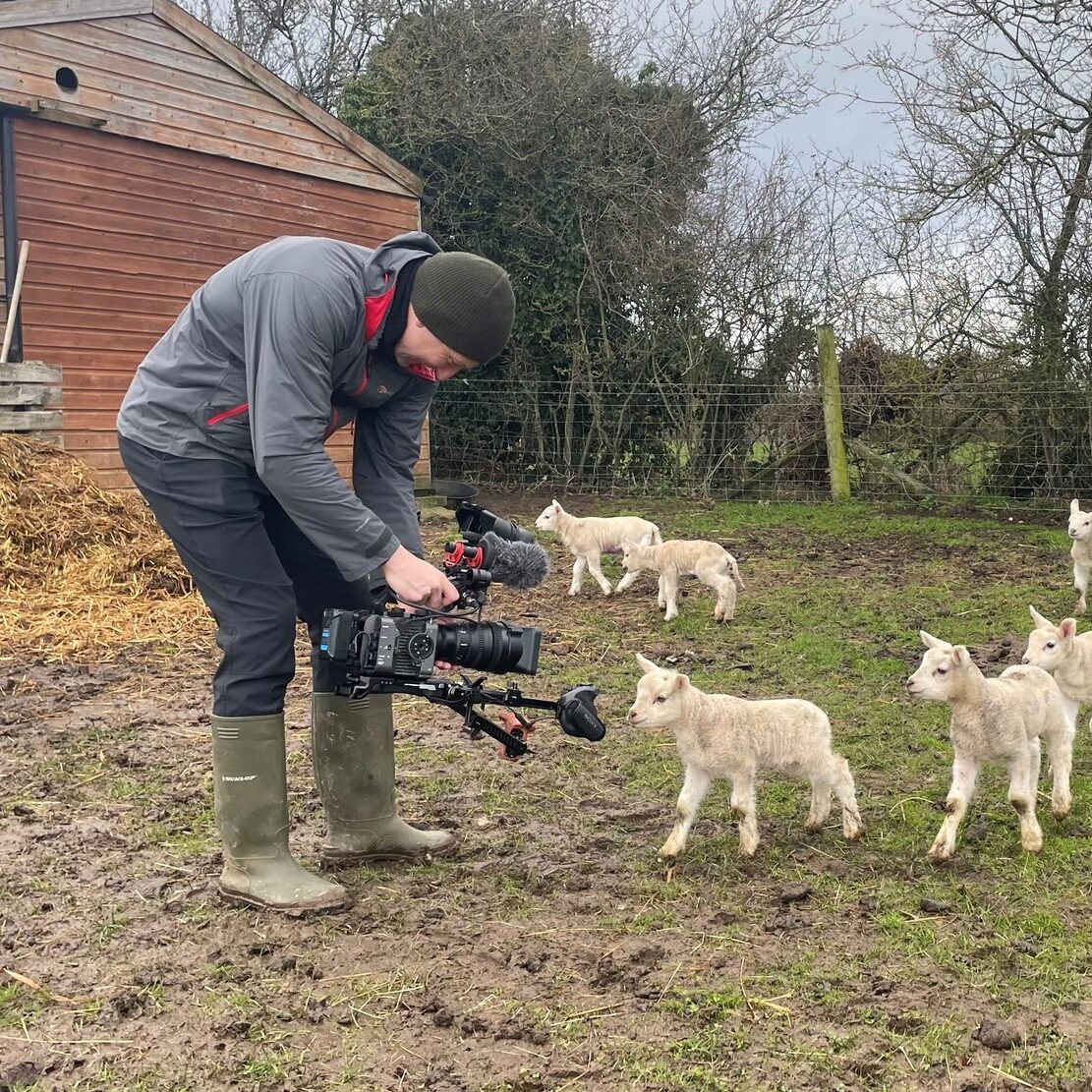
While farmers cherish their vocation, the allure of farming has also captivated the general public. Recent TV shows like Clarkson’s Farm and the entrance of Will Young on Love Island have drawn significant attention.
This surge of interest aligns with a growing trend toward farm-to-table living – a desire for a simpler, more sustainable lifestyle intertwined with a quest for improved mental health and overall well-being.
Yet, a question emerges: Do these shows provide an accurate depiction of the farming profession? Sian Groves, a farmer on the Isle of Wight, offers a candid perspective:
“You’ve got to be quite resilient – it can be hard. We don’t have money readily disposable and to think that we do is unrealistic. Jeremy Clarkson’s show is good because it shows his issues with things like planning permission, which a lot of farmers do face.”
With the surge in interest in sustainable practices, farmers play an even more significant role in the wider community. Their influence extends from shaping the landscape and supporting environmental health to directly supplying communities with produce.
This growing interest in a back-to-the-land ethos often stems from a desire for slow living, a deeper connection with nature, and proximity to food sources. However, the sustainability of the industry hinges on public support. Ensuring farmers can continue providing quality produce and maintaining their leadership in global agriculture.
Will Young points out,
“The media interest is a great opportunity to showcase the importance of the farming industry, but some shows create an inaccurate representation of life as a farmer – not always showing the full stress and realities. The farming community has a lower average mental wellbeing than the rest of the UK as it can be a very lonely and stressful industry.”
CHALLENGES AND SOLUTIONS
Disturbingly, the Big Farming Survey reveals that over a third (36%) of respondents had mental well-being scores low enough to raise concerns, with 46% experiencing anxiety.
Conventional national suicide prevention campaigns often fail to resonate with farmers, as they focus on urban communities’ service access and self-care. For farmers, who are often outdoors and removed from city life’s hustle and bustle, generic self-care advice falls short.
Ellen further explains,
“It’s encouraging seeing the kind of healthcare that’s being set up in the markets, but we also need to increase awareness and understanding of the challenges farmers face, especially with their mental health. For example, we’re often on the receiving end of the healthcare system’s frustrations in our inability to attend appointments during lambing time – it is not a choice to not seek help.”
Farming unions and community groups, such as the Farming Community Network (FCN), offer crucial well-being support and advice. These organisations work tirelessly to assist farmers in various aspects of farm life, including well-being, legal guidance, and planning. Operating on a volunteer or member-led basis, they depend on individuals willing to contribute their time or provide direct donations to make a difference.
Dr. Jude McCann, CEO of FCN, emphasizes,
“Supporting our world-class farming industry by buying British wherever possible and encouraging people to reach out for help in difficult times are key factors in championing British agriculture.”
Farming unions and organizations like FCN play a pivotal role in supporting farmers. Opting for British produce directly supports local farmers. While backing farming organisations enables them to continue their vital work within the farming community.
SMALL ACTIONS, BIG IMPACT
 Florence Wilkinson, a Lincolnshire farmer, encourages everyone to consider the impact of their actions. No matter how small, on making a difference:
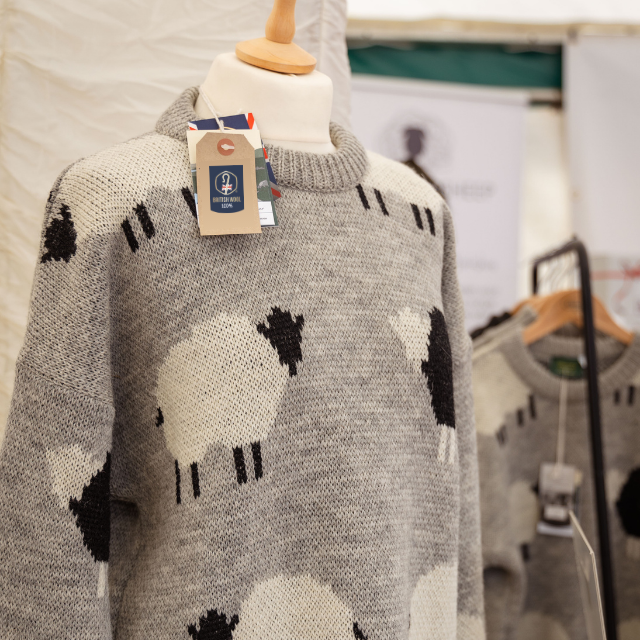
“Give us a thought—when you’re driving along a country road behind a tractor that feels like it’s just in the way, spare a thought for the driver working tirelessly to bring their produce to your home. Reach out to your local farmers and foster a sense of community. Remember to look out for the British Wool Shepherd’s Crook Mark to ensure you are buying British wool and supporting local farmers.”
When you’re shopping for wool products, keep an eye out for the British Wool Shepherd’s Crook Mark. This symbol signifies that you’re purchasing genuine British wool, directly supporting local farmers and their families.
Your choice to buy British wool sends a ripple effect throughout the farming industry, enabling farmers to continue their essential work while promoting sustainable practices.