
Scottish Blackface Sheep: Guardians of the Scottish Highlands
Across the rugged hills, heather-clad moorlands, and steep upland landscapes of the Scottish Highlands, one sheep breed has become synonymous with the land itself — the hardy Scottish Blackface sheep.
Instantly recognisable by their distinctive black faces and impressive horns, Scottish Blackface sheep are one of Britain’s most iconic native breeds and have played an essential role in shaping Highland landscapes for generations.
As part of our Wool & Land series, we explore how Scottish Blackface sheep contribute far beyond wool and farming. Helping to maintain fragile upland ecosystems, encourage biodiversity, and support the unique flora and insect life that thrives across Scotland’s hills and moorlands.
Built for the Highlands
The Scottish Highlands present one of the most challenging grazing environments in Britain. Harsh winters, exposed hillsides, peatland terrain, and nutrient-poor soils require livestock that can survive and thrive in difficult conditions.
Scottish Blackface sheep are perfectly adapted to this landscape. Their hardiness allows them to graze rough vegetation that many other breeds would avoid, helping farmers manage extensive upland areas that would otherwise become overgrown with scrub and invasive plant species.
Their ability to roam large areas of open hill ground creates a natural grazing pattern that supports a mosaic of habitats, an important feature for wildlife conservation in the Highlands.
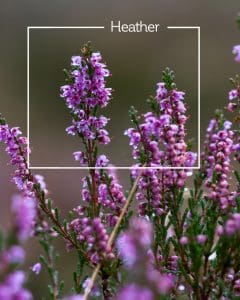
Guardians of Heather Moorland
One of the most important habitats supported by Scottish Blackface grazing is heather moorland. Heather-dominated landscapes are internationally significant habitats found across the Highlands and are home to a wide range of wildlife species.
Without grazing management, moorland can quickly become dominated by coarse grasses, bracken, or scrub woodland. Scottish Blackface sheep help maintain balance by selectively grazing grasses and young vegetation, allowing heather plants to regenerate and thrive.
Healthy heather moorland supports numerous bird species including red grouse, curlew, lapwing, and golden plover, while also providing shelter for insects and small mammals.
Supporting Highland Flora
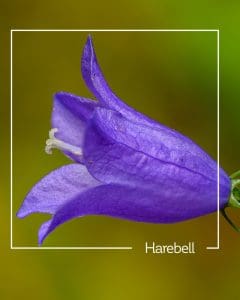
The grazing behaviour of Scottish Blackface sheep creates varied vegetation heights and open spaces across the landscape. This diversity allows many native Highland plant species to flourish.
Wildflowers and upland plants commonly associated with well-managed Highland grazing systems include:
- Harebell (Campanula rotundifoliass)
- Bog Myrtle (Myrica gale)
- Scottish Primrose (Primula scotica)
By preventing dominant grasses from taking over, Scottish Blackface sheep help maintain the low-intensity grazing conditions these delicate species require.
Creating Habitat for Insects and Pollinators
The Scottish Highlands may appear rugged and sparse, but they support a surprising range of insect life, particularly in upland heath and grassland habitats.
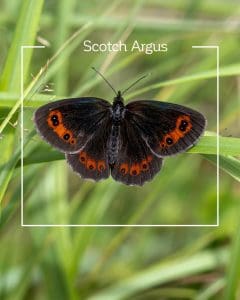
The varied sward created by grazing Scottish Blackface sheep provides ideal conditions for pollinators and invertebrates. Flowering upland plants attract bees, hoverflies, moths, and butterflies, while tussocky grasses and patches of heather offer shelter and breeding habitat.
Species that benefit from these grazing systems can include:
- Scotch Argus (Erebia aethiops)
- Kentish Glory (Endromis versicolora)
These insects form a vital part of the Highland food chain, supporting bird populations and wider biodiversity across the uplands.
Peatlands and Carbon Storage
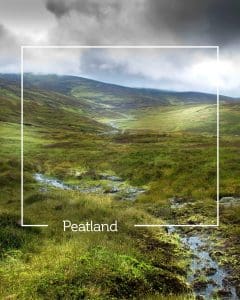
Many Scottish Blackface flocks graze near peatland habitats, which are among the UK’s most important natural carbon stores. Sensitive grazing management is essential in these environments.
Low-intensity grazing by traditional hill breeds can help maintain vegetation cover without excessive disturbance to peat soils. Careful management prevents scrub encroachment while supporting the diverse plant communities that healthy peatlands rely on.
Wool & Land
Scottish Blackface sheep do not create Highland biodiversity alone, but their grazing behaviour plays a vital role in maintaining the delicate balance of Scotland’s upland ecosystems. Through selective grazing, movement across rough terrain, and long-established hill farming systems, they help preserve the habitats that countless plants, insects, and wildlife species depend upon.
By supporting native breeds and British wool, we also support the landscapes and rural communities that have shaped them for generations.