Spotlight on the Board
An Interview with Penny Chantler
As part of our depot open days this September and October, we’re shining a light on the people behind British Wool. First up is Penny Chantler, board member for the English Southern Region, farmer, and lifelong advocate for wool.
From Textiles to Farming
Penny’s journey with wool began at Leeds University, where she studied textiles and specialised in woollen woven fabrics.
“The course included lectures on sheep breeds, their wool type and characteristics which sparked my interest in sheep,” she recalls.
That interest quickly grew into a passion when she purchased her first house with a bit of land.
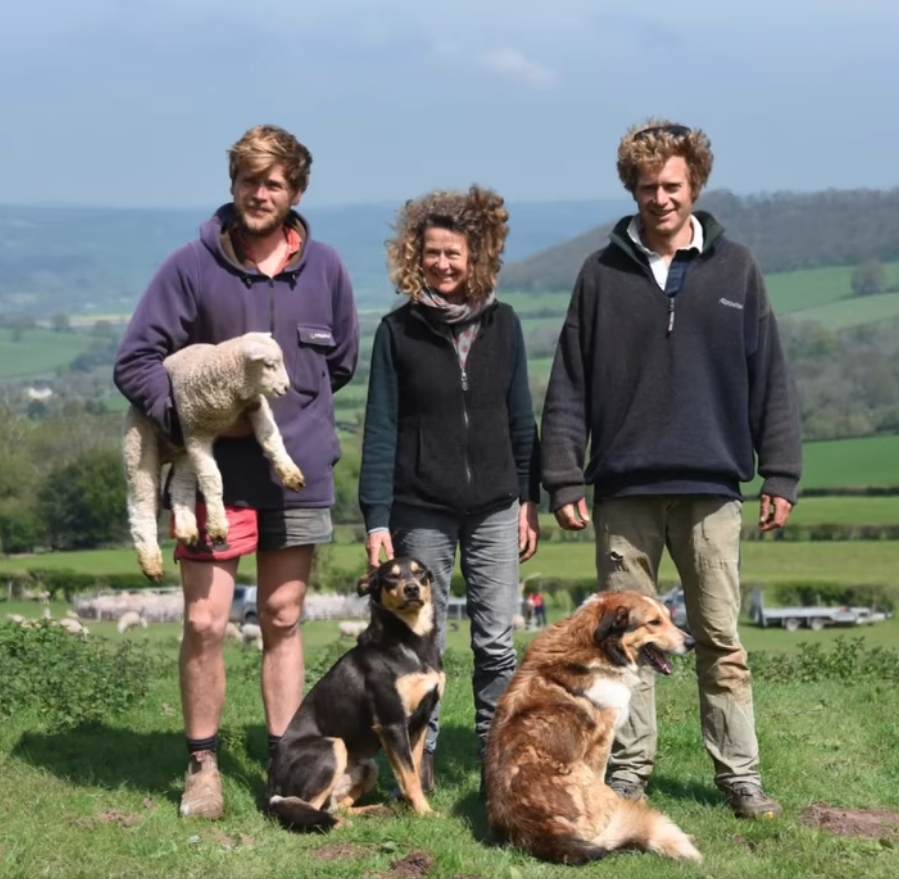
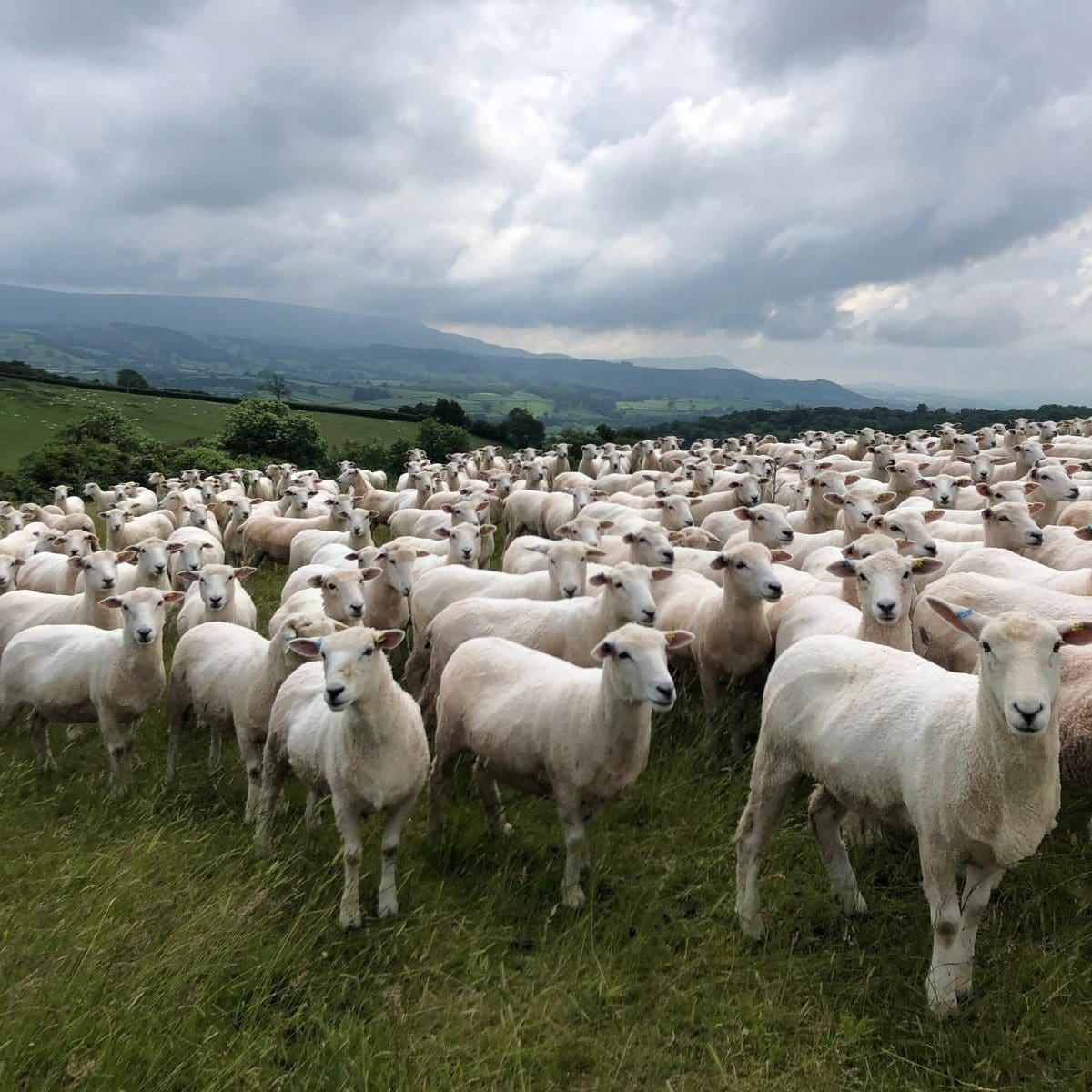
“I had to have some sheep to control the grass. Being in Kent at the time they had to be Romneys! The rest is history, as I now farm in partnership with my two sons 1,500 NZ Romneys producing 10 tons of wool a year.”
A Voice for Farmers
Penny became the Herefordshire representative for British Wool in 2016 and joined the board six years later.
“I represent farmers from the English Southern Region, an area of the UK I have lived and worked in, most of my life. I feel my textile experience along with a great breed of wool-producing sheep adds a different dimension to the board.”
As a board member, Penny sees her role as being both a listener and a communicator.
“I help ensure that the best possible price is attained for our wool. Attending agricultural shows, meetings and livestock markets along with wool product launches and exhibitions all help with this.”
She also champions wool’s future.
“One of my important focus points is to communicate the importance and potential of wool to students as they will produce the innovative ideas for the future.”
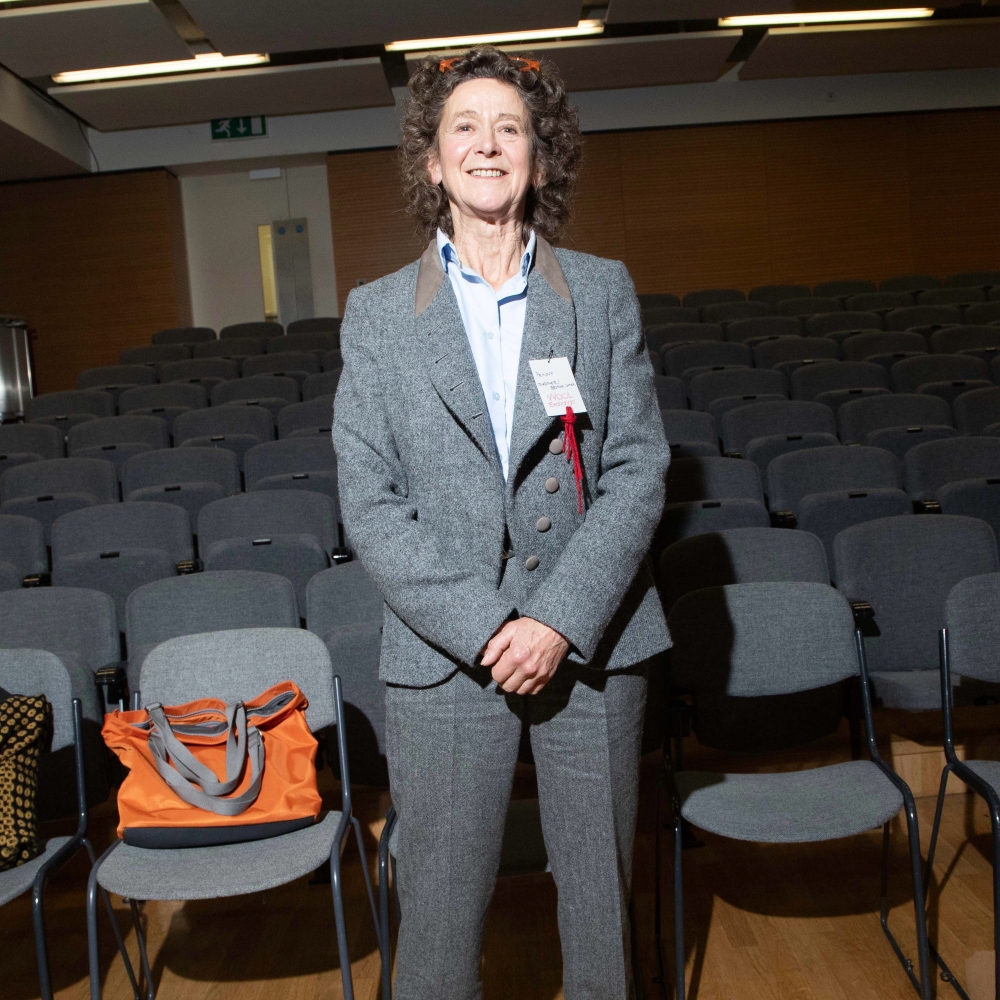
Last year, Penny joined the panel at British Wool’s first Wool Exchange event, hosted at Central Saint Martins in London. She spoke to an audience of students, textiles and fashion lecturers, as well as fashion designers and buyers, sharing her insight and experience.
Wool: Unique, Versatile, and Full of Potential
When asked what makes British wool stand out, Penny is clear.
“No other fibre is as versatile, environmentally friendly, holds its carbon, hypoallergenic and a natural fire retardant.”
But the industry is not without its challenges. “Our greatest challenge is the oil industry producing polyester fibres and plastics,” she says. Despite this, she sees exciting opportunities ahead, from sustainable construction to health innovation.
“Incorporating wool into house buildings, not only as insulation and soft furnishings but also composite materials for construction. Lanolin products for paints and preservatives. Products, such as toothpaste to help repair teeth plus many more similar innovative products.”
Why Depot Open Days Matter
With the depot open days kicking off in September, Penny is passionate about their value.
“To see the depots in operation first hand helps farmers and the public understand what’s involved and appreciate the variation of wool produced in the UK and its potential end uses. It always amazes and heartens me when I take a group or individual to a depot how impressed and ‘wowed’ they are.”
And her message to consumers?
“We, all as consumers, need to insist that any wool products are British as we often do when buying our food.”
Reflections and Highlights
Penny describes being part of British Wool as a privilege.
“The passion, expertise and experience from the depots to the team in Wool House is like nothing I’ve ever experienced before.”
One moment especially stands out.
“My standout moment will always be when a group of school children told me they’d had their ‘best day ever’ having taken part and won BW first prize for their felted wool picture at the NSA Welsh Sheep event.”
And if she had to sum up British wool in just three words? Eco. Versatility. Comfort.