What are the Benefits of Wool Insoles?
Most people give careful thought to what shoe or boot they put on their feet. Far fewer think about the insoles that go inside them. The insole is in contact with your foot for every hour you’re wearing your footwear and it has a direct influence on warmth, comfort, moisture and odour. Swap a cheap foam insert for a wool insole and the difference is immediate. Here’s why wool makes such a compelling choice.
Why Wool Works So Well as an Insole Material
Wool isn’t just warm. Its fibre structure gives it a natural spring-like quality that makes it exceptionally well-suited to use underfoot. Each fibre can be bent and compressed thousands of times without breaking, which means a wool insole holds its cushioning over time in a way that synthetic materials simply don’t. Foam flattens, felt compresses into a hard layer and budget alternatives lose their shape quickly. Wool bounces back.
It’s also a completely natural material with no synthetic treatments required to give it its key properties. The warmth, breathability, moisture management and odour resistance that make wool footwear so valued in outdoor and everyday contexts are all inherent to the fibre itself, not added after the fact.
Do Wool Insoles Keep Your Feet Warm?
Cold comes from the ground up and a standard insole does very little to stop it. In wellies, walking boots, or any wool socks boots combination worn in cold or wet conditions, the gap between your foot and the sole of the boot is where heat is lost. Wool closes that gap properly.
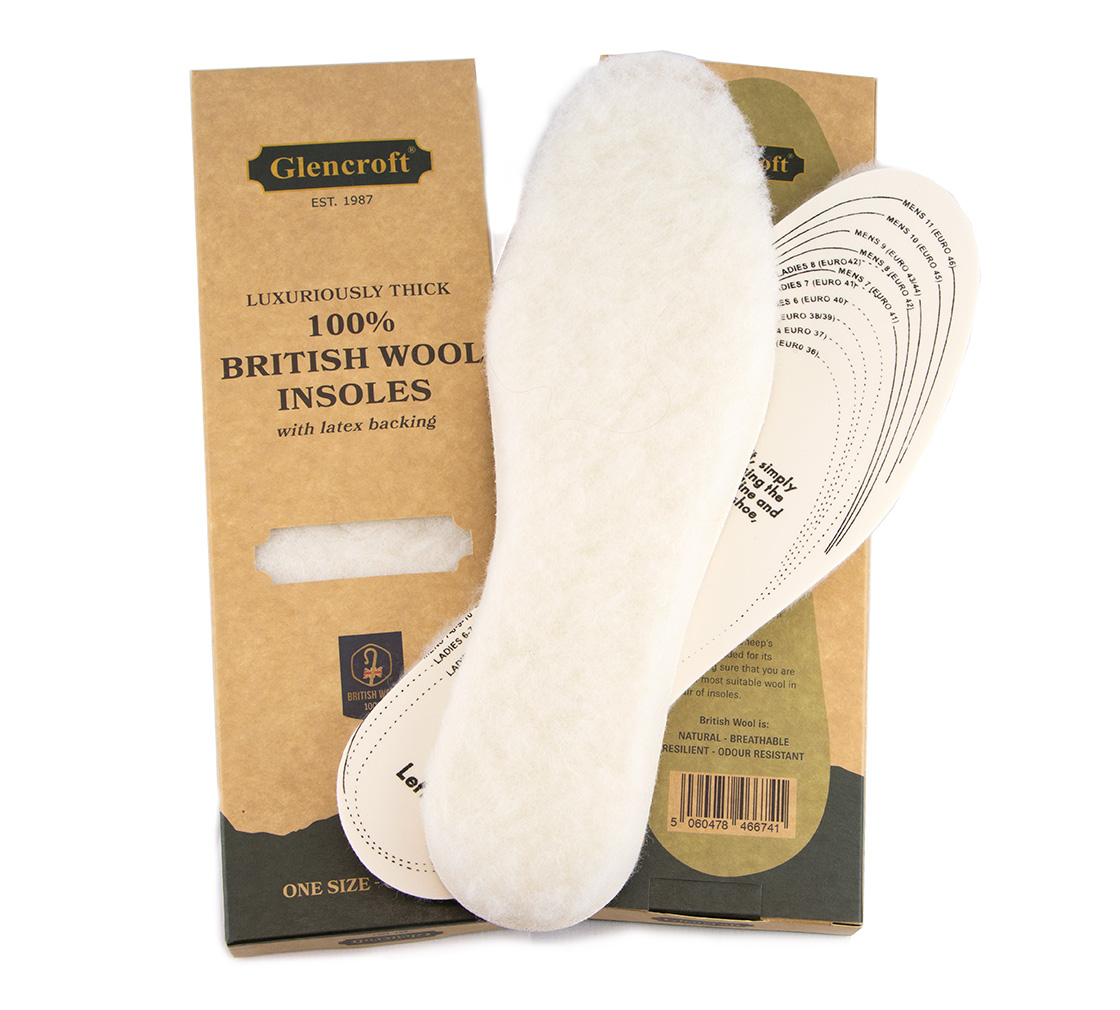
The Glencroft British wool Insoles have an average pile thickness of 10mm, which is over 250% thicker than budget alternatives. That depth of natural insulation makes a tangible difference whether you’re standing at a winter market, walking across fields, or simply on your feet for hours in the cold.
How Wool Insoles Keep Feet Dry and Comfortable
One of wool’s most underappreciated qualities is how it handles moisture. Unlike synthetic insoles that trap heat and moisture against the skin, wool actively wicks moisture away from the foot and releases it gradually into the air. This keeps feet drier during activity and prevents the uncomfortable, clammy feeling that builds up over a long day in enclosed footwear.
Wool is also naturally breathable, which means it regulates temperature rather than simply trapping it. In cooler conditions it holds warmth close to the foot and as you warm up, the fibre structure allows excess heat to escape rather than building up. The result is a more consistent, comfortable foot environment across different conditions and activity levels, which is one of the reasons wool socks are so widely recommended by outdoor enthusiasts and healthcare professionals alike aswell.
Do Wool Insoles Help With Foot Odour?
Foot odour is caused by bacteria that thrive in warm, damp conditions. Most insoles, particularly synthetic ones, create exactly the right environment for this: trapped heat, accumulated moisture and a material that gives bacteria nowhere to go. Wool works differently.
The natural structure of wool fibre is hostile to the bacteria responsible for odour. It wicks moisture away, reducing the damp conditions bacteria need to multiply and its protein-based composition doesn’t provide a suitable environment for bacterial growth in the way that synthetic materials do. The result is an insole that stays fresher for longer without any chemical treatments or artificial odour-control technology.
Wool Insoles for All-Day Comfort
Most insoles feel comfortable when you first put them on. The difference with a wool insole is that it still feels that way at the end of the day. The spring-like resilience of wool fibre means it compresses under weight and bounces back rather than packing down into a flat layer, so the support it provides over a full day of walking, working, or being on your feet is meaningfully different from what a foam or budget insert can offer.
The 10mm pile thickness of the Glencroft British wool Insoles makes that resilience even more pronounced. There’s enough depth in the wool to absorb impact and maintain cushioning throughout the day, which is the kind of comfort that matters most for anyone spending long hours on their feet rather than just the first hour of wearing them.
Do Wool Insoles Fit Any Shoe Size?
The Glencroft wool insoles come sized to fit up to a size 12 shoe, with a cutting guide printed directly onto the sole so you can trim them down to exactly the right fit for your footwear. The recommendation is to cut slightly larger than you think you need first, then trim further if required, which makes it easy to get a clean, precise fit.
This means one pair of wool insoles works across the full range of footwear in your wardrobe. Wellies, walking boots, work boots and everyday shoes can all be fitted once trimmed.
The First Insole Licensed by British Wool
The Glencroft wool insoles are the first and only insoles to be licensed by British Wool, certified with the Shepherd’s Crook Mark that verifies the wool comes from British sheep farmers. Every part of the supply chain is accounted for: the wool is sourced from British farms, the manufacturing takes place in the UK, the latex sole is attached here and even the packaging has been printed locally in Yorkshire.
That level of traceability matters for anyone who wants to know where what they’re buying comes from. It took Glencroft over a year of product development to connect the British Wool supply chain with the manufacturing process. Buying a pair supports British sheep farmers directly, which sits at the heart of what British Wool champions and choosing natural British wool over synthetic alternatives has a broader positive impact that extends well beyond the insole itself.
Pairing Wool Insoles With Wool Socks
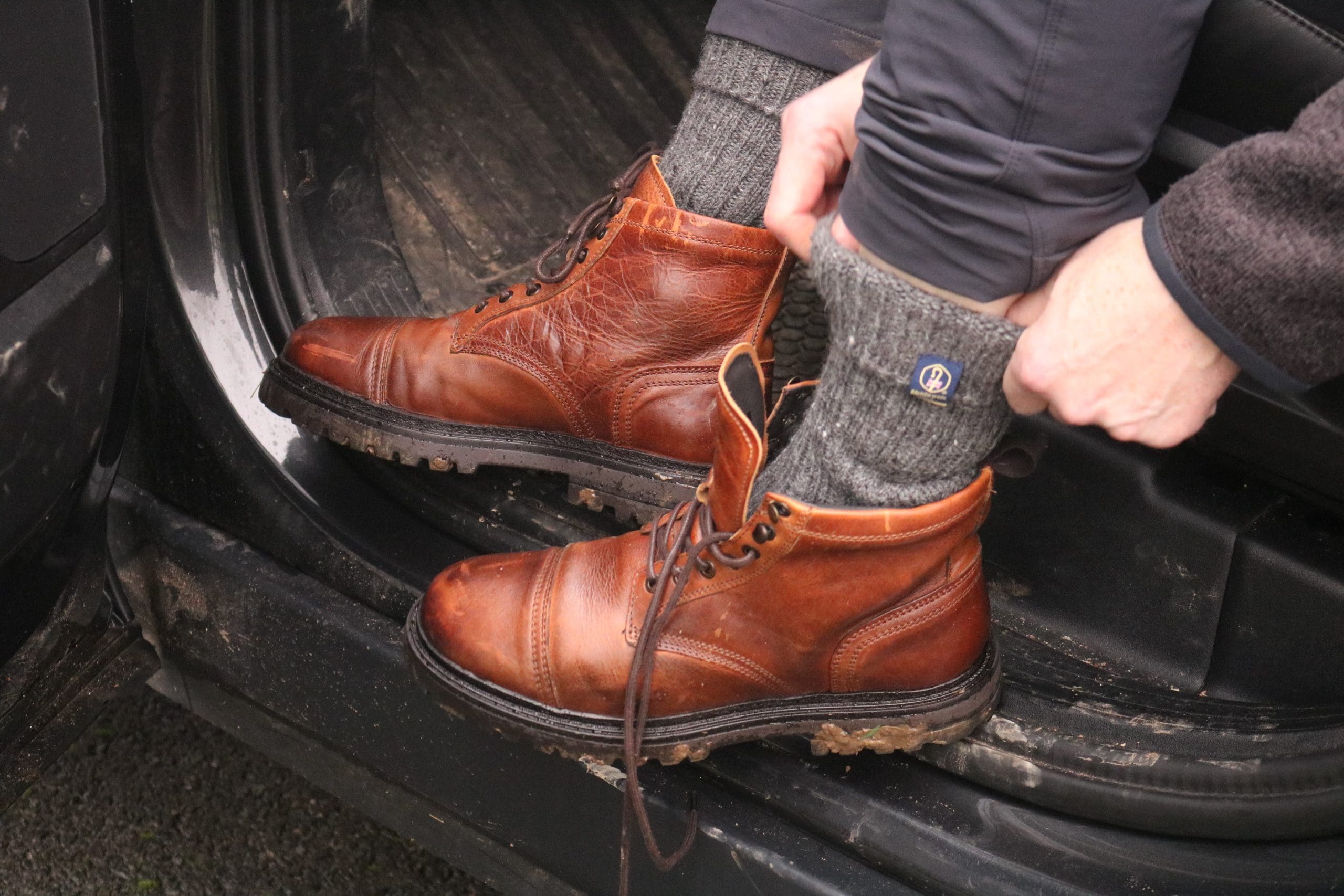
Wool insoles and wool socks are a natural combination that creates a completely wool-lined environment inside the shoe, with all the benefits of the fibre working across the full surface of the foot. The insole provides cushioning, insulation and moisture management from underneath, while the sock does the same from the sides and top. The result is a foot that stays warmer, drier and more comfortable for longer than either product could achieve on its own.
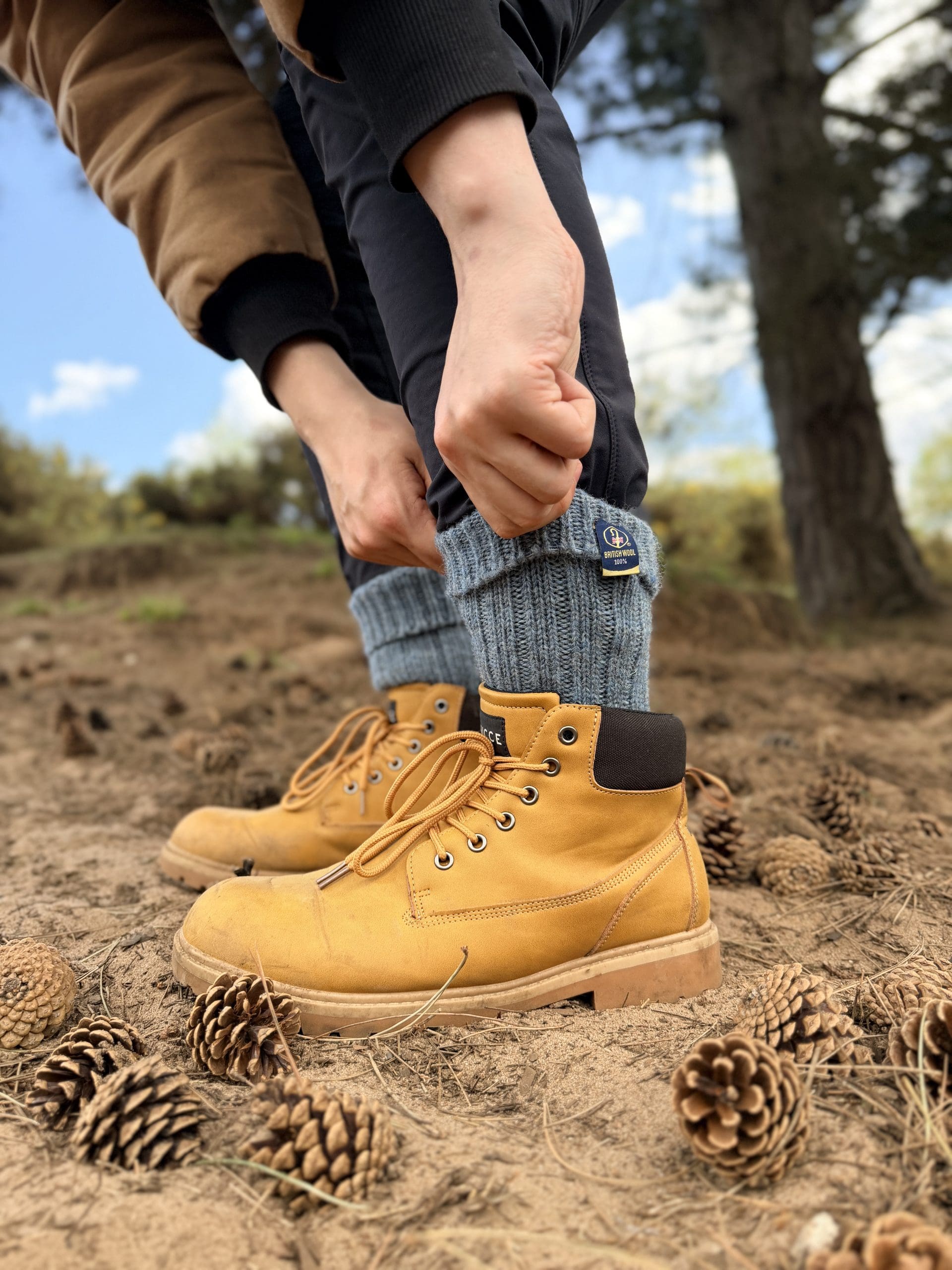
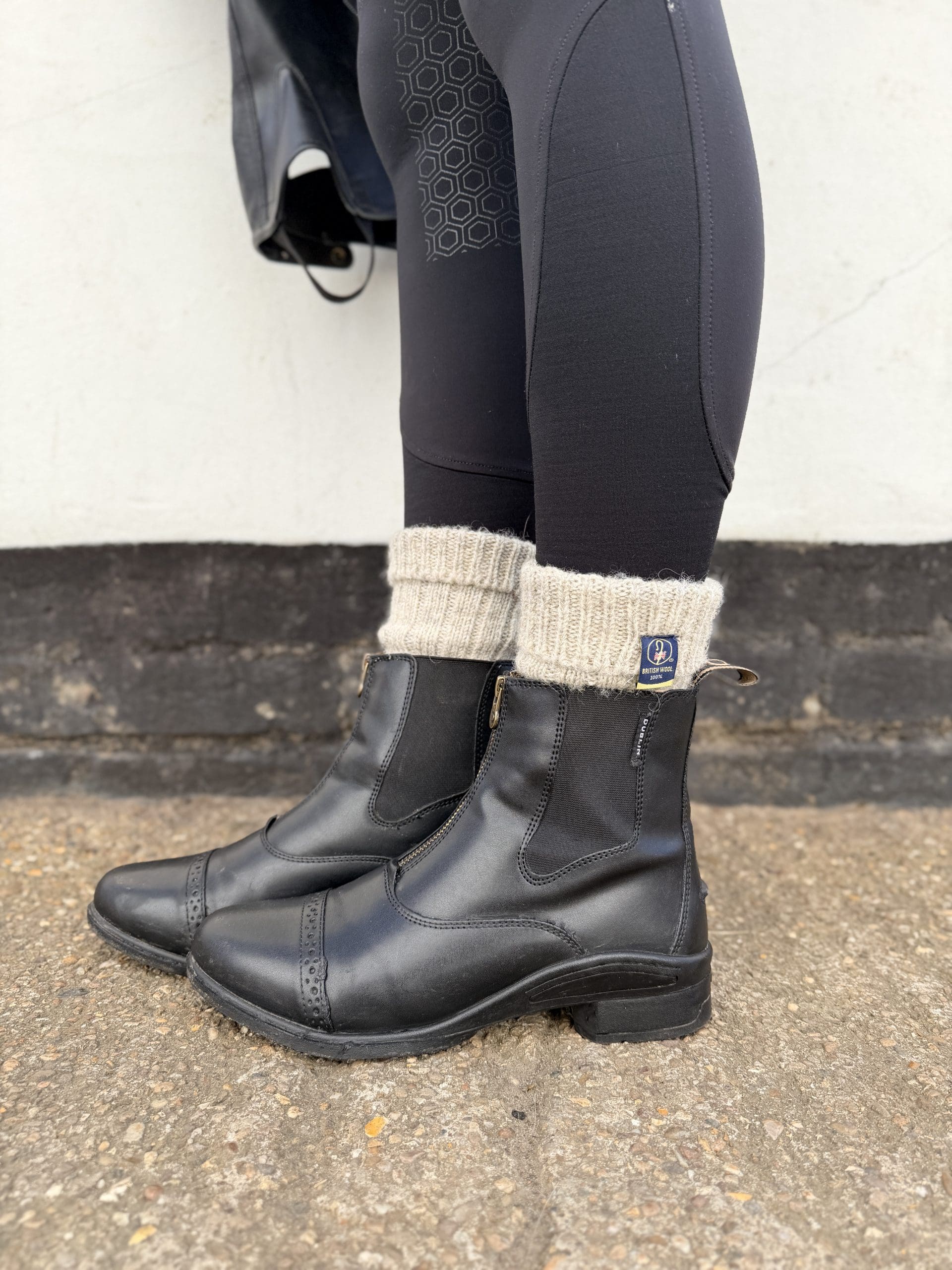
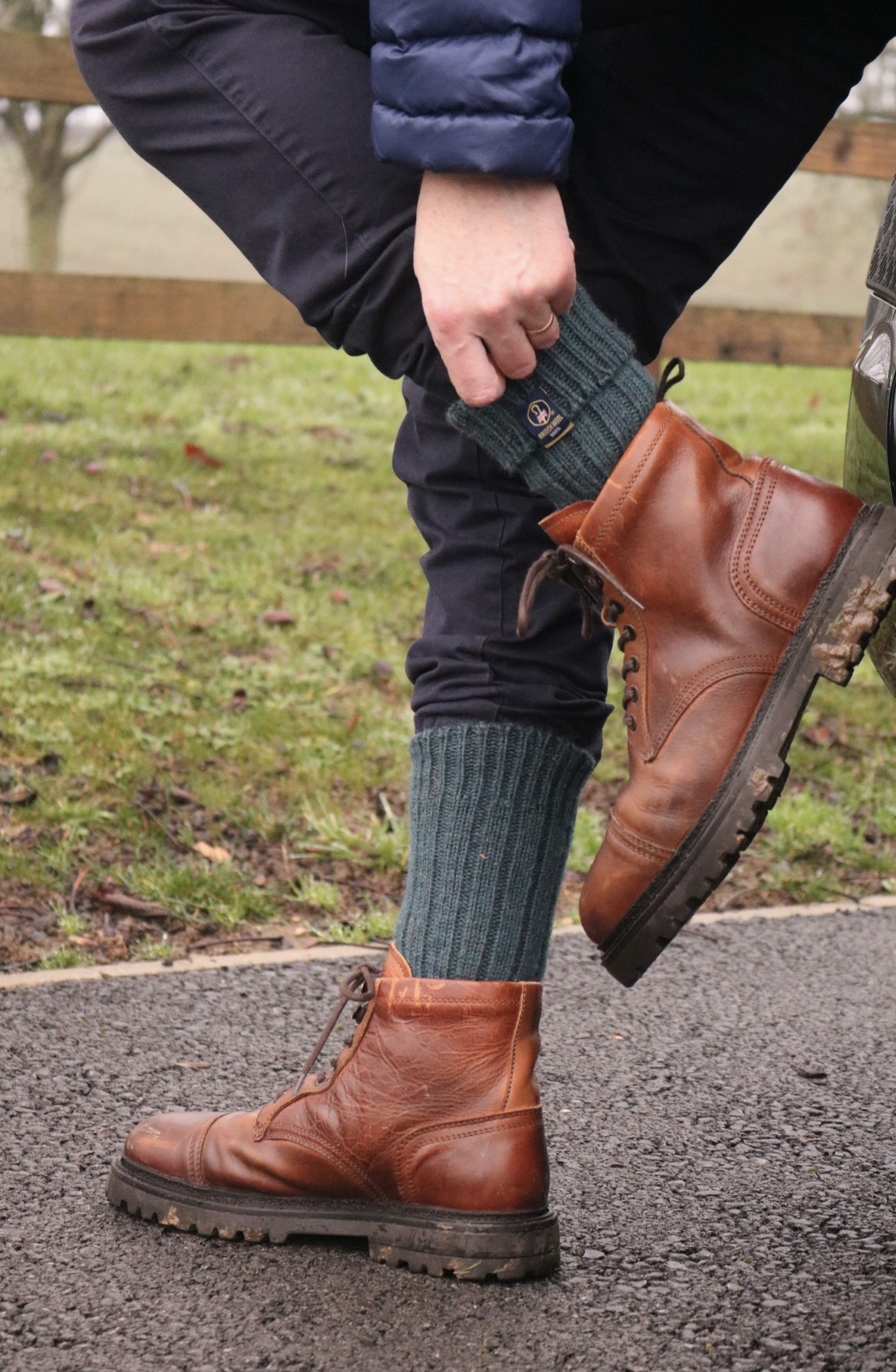
For anyone already wearing wool socks in boots, adding a wool insole is a straightforward upgrade. Investing in wool socks is well-established as worth it for the properties wool brings to footwear and the same logic applies to insoles. Together they represent the most complete natural approach to wool footwear comfort available.
How Long Do Wool Insoles Last?
The durability of a wool insole comes down to the same property that makes wool so well suited to footwear in the first place: its natural resilience. Wool fibre can be compressed and released thousands of times without breaking down, which means a good quality wool insole holds its structure considerably longer than foam or synthetic alternatives that flatten and lose their shape within weeks.
How long they last in practice depends on how frequently they’re worn and in what conditions. With occasional airing between uses and a gentle hand wash when needed, a pair of Glencroft British Wool Insoles will see off most budget alternatives by a considerable margin, making them a more cost-effective choice over time than their price tag might initially suggest.
Are Wool Insoles a Sustainable Choice?
Wool is biodegradable, renewable and entirely natural. When a wool insole reaches the end of its life, it breaks down without leaving synthetic materials behind in the way that foam or plastic-based alternatives don’t. For anyone thinking carefully about the environmental impact of what they buy, that matters.
The traceability of the Glencroft insoles takes this a step further. Knowing exactly where the wool came from, how it was processed and where the manufacturing took place gives a level of confidence in the product’s footprint that most insoles can’t match. It fits within a wider sustainable approach to fashion that starts with the choices made at individual product level and builds from there.
Are Wool Insoles Worth It?
For anyone used to the foam inserts that come standard in most footwear, the step up to a wool insole is noticeable from the first wear. The warmth, the cushioning and the way the insole continues to perform over the course of a full day are all qualities that synthetic materials struggle to match. Add in terms of natural odour resistance and moisture management, the difference in comfort over time is significant.
The broader case for wool footwear has always rested on something simple: natural fibres that perform better because of what they are, not what’s been added to them. Choosing a wool insole is a small decision that reflects that and one that’s backed by British sheep farmers, a traceable supply chain and over a year of product development to get it right.
Wool insoles are one of those upgrades that’s easy to overlook and hard to go back on once you’ve tried them. The combination of natural warmth, moisture management, odour resistance and cushioning that holds its shape makes them a far more considered choice than the foam inserts most footwear comes with and the fact that every pair is traceable back to British sheep farmers makes that choice feel even more worthwhile.
The Glencroft British Wool Insoles are available now from the British Wool shop. For more information on any of our products or to find out more about the work British Wool does to champion British sheep farmers, get in touch with the team.