
Why wool reigns superior
 |
 |
 |
Sleeping on and under wool has been shown to:
Give better thermal regulation during sleep than any other fibre
Absorb perspiration better than alternative fibres
Provide comfort and support on pressure points
Create a cleaner sleep environment
Support British sheep farmers
Reduce your carbon footprint
Often perceived as a fibre exclusively for colder weather. Wool possesses cooling and moisture-wicking properties that make it ideal for use all year round.
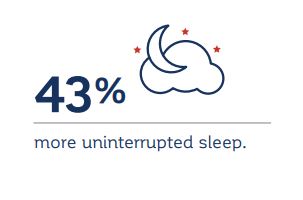
Wool’s unique ability to regulate temperature is utilised in wool bedding products to maintain a consistent thermal comfort zone and keep you sleeping uninterrupted for longer.
Sleep is a vital aspect in our health and well-being. Numerous studies have linked a lack of sleep to the risk of obesity, depression, and heart disease. Too little sleep has also been shown to affect emotional development.
A simple way to get a better night’s sleep is to change to sleeping on and under wool. Scientific studies show that wool bedding and mattresses can help you gain 20% more uninterrupted sleep by regulating your body temperature far better than any other fibre.
Moisture management
During sleep, wool helps moisture flow outwards from the body, keeping the sleeper drier and more comfortable. As the rate of moisture evaporated from the skin increases, the relative humidity of the microclimate adjacent to the skin increases. Wool fibres respond by increasing their moisture vapour content, which slows (or buffers) the rate of rise in humidity next to the skin. As moisture levels decrease, the fibres give up some of their stored moisture, again slowing the rate of humidity change (IWTO).
Most textiles can absorb water vapour, but wool fibres actively manage this excess moisture. The reason wool can absorb water better than other materials is a result of its functional groups (atoms or group of atoms within a molecule that has similar chemical properties). These groups attract and make strong bonds with the water molecules making wool is hygroscopic.
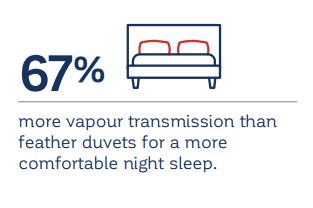
Wool can absorb up to 30% moisture to its own weight without feeling wet. A study conducted by Woolroom and The University of Leeds highlighted that wool bedding allowed 43% more moisture transmission than polyester and a massive 67% more than feather/down duvets, meaning wool can diffuse a larger amount of moisture across an 8-hour period. Allowing you to sleep longer and deeper through the night by limiting disruption from changes in temperature.
There are over 30 psychological, cognitive, and physical menopause symptoms, many of which can be debilitating for some. Research conducted by British Wool’s ‘In Bed with the Menopause’ campaign. The research found wool could aid menopause related side effects which included hot flushes, night sweats, difficulty sleeping and experiencing a low mood or anxiety. Almost a third (32%) said a lack of sleep was caused by the menopause.
 |
 |
 |
 |
 |
Naturally hypoallergenic
Research carried out by Amerisleep revealed that after just one week of use, pillowcases were found to have 17 thousand times more bacteria than a toilet seat! Synthetic fabrics like polyester and nylon are not very absorbent. Therefore often create sweaty environments that are ideal for germs.
Wool’s superior moisture management creates a dry environment where moulds, funguses and dust mites cannot thrive or survive. Dust mites are one of the most common allergies and can cause breathing conditions like asthma which is associated with a decreased quality of sleep.
What types of wool goes into bedding?
In the UK, we have the most diverse wool clip in the world with over 67 breeds of sheep as well as multiple cross breeds. Which make up over 120 different quality grades each with their own unique characteristics and properties.
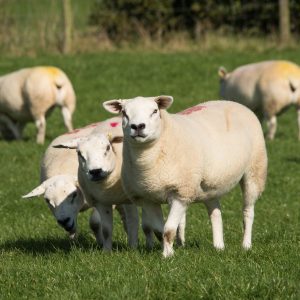
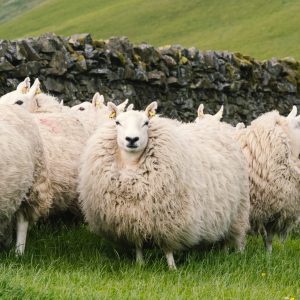
For quality bedding you would look to source ‘fine’ and ‘medium’ type wools from breeds such as Southdown, Texel and Cheviot. This combines the springiness and crimp of fine wool’s which makes an effective insulator as well as the resilience and bulk of a medium type wools.
 |
 |
 |
For more information about Our Sheep visit our website.